
.jpeg)
Does long-term use of Selinexor cause damage to liver and kidney function?
Selinexor (Selinexor) is a selective nuclear export inhibitor (SINE), mainly used to treat relapsed or refractory multiple myeloma and certain types of lymphoma. During clinical application, patients and doctors are very concerned about whether long-term use of this drug will cause damage to liver and kidney function. Although selinesol does not have liver and kidney toxicity as its main adverse reaction, relevant indicators still need to be closely monitored to prevent potential risks.
First of all, from the perspective of liver function, some patients treated with selinesol may experience mild to moderate increases in liver enzymes (such as ALT, AST) during medication. This increase is reversible in most cases and resolves upon discontinuation of the drug or dose adjustment. However, for patients with underlying liver diseases (such as hepatitis, cirrhosis, etc.), selinesol may increase the burden on the liver. Therefore, during long-term treatment, liver function needs to be checked regularly, including bilirubin levels, alanine aminotransferase and other indicators.
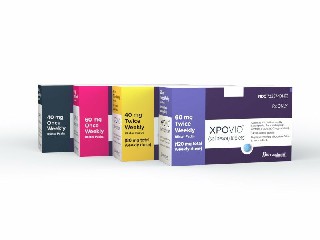
Secondly, regarding the impact on renal function, although the metabolism of selinesol is mainly carried out through the liver and its direct toxicity to the kidneys is low, there are still clinical reports that some patients experience increased serum creatinine or mild renal function decline after long-term medication. This may be related to indirect factors such as dehydration, anorexia, and electrolyte imbalance. Therefore, special attention should be paid to individual differences in elderly patients or patients with chronic kidney disease to maintain water and electrolyte balance and avoid increasing the burden on the kidneys.
Third, an overall monitoring strategy is particularly important during long-term use of selinesol. It is generally recommended to monitor liver and kidney function indicators every 2 to 4 weeks, especially during the initial stage of treatment and during dose adjustment. In addition, data such as albumin, total protein, and urea nitrogen need to be monitored during treatment to identify possible organ dysfunction in advance. If persistent indicator abnormalities are found, it is necessary to communicate with the doctor in time to adjust the treatment strategy or suspend medication.
Finally, although the overall risk of damage to liver and kidney function with selinesol is not high, caution should be exercised in the context of long-term use. Through regular monitoring, assessment of individual basic conditions, and optimization of supportive treatment measures, the incidence of adverse reactions can be effectively reduced and the safety and tolerability of treatment can be improved. This active intervention and personalized management model is one of the key factors to ensure that patients successfully complete the treatment course and prolong their survival time.
Reference materials:https://www.drugs.com/
[ 免责声明 ] 本页面内容来自公开渠道(如FDA官网、Drugs官网、原研药厂官网等),仅供持有医疗专业资质的人员用于医学药学研究参考,不构成任何治疗建议或药品推荐。所涉药品可能未在中国大陆获批上市,不适用于中国境内销售和使用。如需治疗,请咨询正规医疗机构。本站不提供药品销售或代购服务。


