
.jpeg)
How to monitor renal function and cardiovascular risk while taking Finerenone
Finerenone is a new type of selective mineral corticosteroid receptor antagonist, mainly used to treat patients with chronic kidney disease and type 2 diabetes to reduce the deterioration of renal function and the risk of cardiovascular events. Since its mechanism of action involves regulating salt water balance in the body and reducing inflammation, proper monitoring of renal function and cardiovascular risk is crucial to ensure the safety and efficacy of medication.
A comprehensive renal function assessment, including serum creatinine, urea nitrogen, and estimated glomerular filtration rate (eGFR), should be performed before medication to determine the patient's baseline renal function status. Fenelidone is suitable for patients with eGFR ≥25 ml/min/1.73㎡. It should be used with caution or avoided when the renal function is below this range. During the initial stage of treatment and during the maintenance period, renal function indicators need to be reviewed regularly, with special attention to the changing trend of eGFR and timely identification of signs of renal function deterioration.
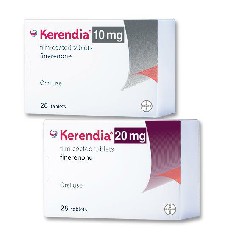
Fenelinone may cause an increase in serum potassium, so monitoring of serum potassium is particularly important. Serum potassium levels should be tested within 1-2 weeks after the start of treatment, and then reviewed monthly or quarterly according to the patient's condition. If hyperkalemia is found, the dose should be adjusted or the medication should be suspended according to the severity, and corresponding potassium-lowering measures should be taken to prevent serious complications such as arrhythmia.
Assessment and monitoring of cardiovascular risk are equally critical. Patients should regularly monitor blood pressure, electrocardiogram and cardiac function, especially those with a history of heart failure or coronary heart disease. Fenelidone helps improve cardiovascular prognosis by reducing the inflammatory and fibrotic effects of mineral corticosteroid receptors, but monitoring should not be ignored to allow timely adjustment of treatment options.
In short, a complete monitoring system should be established during the treatment of fenelidone, and an individualized follow-up plan should be developed based on the dynamic changes in renal function, serum potassium and cardiovascular indicators. Patients and medical staff need to maintain close communication to ensure early detection and proper handling of potential risks to achieve safe and effective treatment results.
Reference materials:https://www.drugs.com/
[ 免责声明 ] 本页面内容来自公开渠道(如FDA官网、Drugs官网、原研药厂官网等),仅供持有医疗专业资质的人员用于医学药学研究参考,不构成任何治疗建议或药品推荐。所涉药品可能未在中国大陆获批上市,不适用于中国境内销售和使用。如需治疗,请咨询正规医疗机构。本站不提供药品销售或代购服务。


