
.jpeg)
Summary and analysis of Opicapone patients’ frequently asked questions and expert answers
Opicapone (Opicapone) is a new type of long-acting catechol-O-methyltransferase (COMT) inhibitor. It is often used in patients with Parkinson's disease in combination with levodopa to extend its efficacy and reduce the "switch phenomenon". During clinical use, patients and their families often encounter some questions. The following are expert answers and analysis of these common questions to help patients better understand and use Opicapone.
First of all, many patients are concerned about whether opicapone needs to be taken at the same time as levodopa. Experts point out that Opicapone is designed to assist the use of levodopa and has limited efficacy when used alone. It reduces the metabolism of levodopa by inhibiting the COMT enzyme and prolongs the action time of the drug in the body. Therefore, it must be combined with levodopa, and it is best to take it at a fixed time every day to ensure stable drug effect.
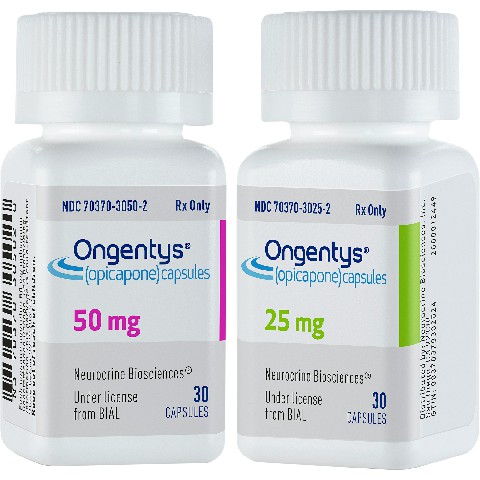
Secondly, patients often wonder whether there will be obvious side effects after taking Opicapone. Clinical data show that opicapone is well tolerated, and the most common adverse reactions include constipation, insomnia, and dry mouth, which are usually mild and transient. Experts recommend that patients pay attention to diet and regular work and rest while taking the medicine, and communicate with their doctors in time when discomfort occurs. If necessary, the dosage can be adjusted or symptomatic treatment can be adopted.
In addition, many patients are concerned about the impact of Opicapone on daily life and the precautions for medication. Experts remind that you should avoid sudden discontinuation of the medication and avoid increasing or decreasing the dose on your own while taking the medication. At the same time, you should pay attention to drug interactions, especially when using it in combination with other Parkinson's disease medications and antidepressants, you should inform your doctor. Regular follow-up and evaluation of efficacy and safety will help optimize treatment plans.
In summary, Opicapone is an important auxiliary drug in the treatment of Parkinson's disease. Patients should maintain good communication and compliance during use, answer questions in a timely manner, and reasonably manage side effects. Through scientific medication use and doctor guidance, drug efficacy can be maximized and patients' quality of life improved.
Reference materials:https://www.drugs.com/
[ 免责声明 ] 本页面内容来自公开渠道(如FDA官网、Drugs官网、原研药厂官网等),仅供持有医疗专业资质的人员用于医学药学研究参考,不构成任何治疗建议或药品推荐。所涉药品可能未在中国大陆获批上市,不适用于中国境内销售和使用。如需治疗,请咨询正规医疗机构。本站不提供药品销售或代购服务。


