
.jpeg)
Medication safety and individualized regimen of Regorafenib in elderly patients
Regorafenib (Regorafenib), as a multi-target tyrosine kinase inhibitor, is widely used in the treatment of a variety of advanced malignant tumors, including colorectal cancer, gastrointestinal stromal tumors, and hepatocellular carcinoma. Medication safety is particularly important for elderly patients due to factors such as deterioration of physiological functions, multiple comorbidities, and multi-drug sharing. According to the special conditions of elderly patients, formulating individualized medication plans is the key to improving treatment effects and reducing adverse reactions.
Elderly patients often have varying degrees of liver and kidney function decline, which affects the metabolism and excretion of regorafenib and increases drug accumulation and the risk of toxic side effects. Therefore, liver and kidney function should be assessed in detail before treatment, and the dose should be adjusted or the dosing interval should be extended if necessary to avoid serious adverse reactions caused by high doses. In addition, elderly patients have weakened gastrointestinal function and are prone to gastrointestinal adverse reactions such as loss of appetite, nausea, and diarrhea, and need to strengthen monitoring and supportive treatment.
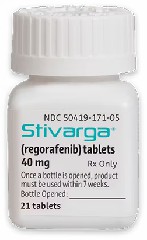
Elderly patients are often accompanied by chronic diseases such as hypertension, heart disease, and diabetes. Regorafenib may increase the cardiovascular burden and induce hypertension, myocardial damage, etc. Therefore, blood pressure and cardiac function should be closely monitored during treatment, relevant medications should be adjusted in a timely manner, and patients should be encouraged to maintain moderate exercise and a reasonable diet to reduce the risk of cardiovascular events.
Individualized plans should take into consideration the patient's overall health status, concomitant medications, and quality of life needs. For elderly patients with poor physical condition or multiple comorbidities, low-dose initiation can be considered, and the dose can be gradually adjusted while cooperating with a multidisciplinary team for comprehensive management. In addition, strengthening medication education for patients and their families, and improving their awareness of self-monitoring and timely reporting of adverse reactions will help achieve safe and effective treatment.
Reference materials:https://www.drugs.com/
[ 免责声明 ] 本页面内容来自公开渠道(如FDA官网、Drugs官网、原研药厂官网等),仅供持有医疗专业资质的人员用于医学药学研究参考,不构成任何治疗建议或药品推荐。所涉药品可能未在中国大陆获批上市,不适用于中国境内销售和使用。如需治疗,请咨询正规医疗机构。本站不提供药品销售或代购服务。


