
.jpeg)
What indicators need to be checked regularly during Capmatinib treatment?
During treatment with Capmatinib (Capmatinib), patients need to undergo a series of medical examinations regularly to ensure the effectiveness of the treatment and to detect possible adverse reactions in a timely manner. Capmatinib is a kinase inhibitor that targets MET gene mutations or amplifications and is widely used to treat MET exon 14 skip mutation-positive non-small cell lung cancer (NSCLC) patients. Because this drug may have effects on the liver, lungs, and other systems, monitoring cannot be ignored.
Liver function test is one of the routine items during treatment. Capmatinib may cause an increase in transaminase (ALT, AST) and bilirubin, so these indicators should be monitored regularly before starting treatment and during treatment. It is usually recommended to check every 2-4 weeks in the first two months of treatment, and then adjust the frequency according to clinical conditions. Once obvious abnormalities occur, the dosage should be reduced, suspended or stopped in time, and symptomatic treatment should be carried out.
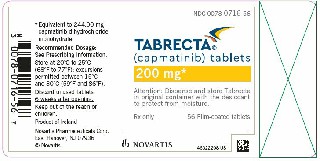
Pulmonary imaging evaluations, including chestCT scans or Xray examinations, should be performed regularly to assess treatment response and to be alert to the risk of drug-related interstitial lung disease (ILD) or pneumonia. Although capmatinib can effectively control tumor progression, some patients may experience drug-induced pulmonary toxicity. Therefore, patients with symptoms such as cough and shortness of breath should arrange for examination as soon as possible. If necessary, treatment should be suspended and anti-inflammatory treatments such as corticosteroids should be initiated.
You should also pay attention to creatine kinase (CK) levels. Capmatinib may cause muscle damage and lead to an increase in CK. This should be taken seriously when symptoms such as myalgia and fatigue occur. It is recommended to test CK levels at the beginning of treatment and when symptoms appear, and adjust the dosage appropriately based on the results. At the same time, for patients with a history of other medications, attention should be paid to drug-drug interactions that may aggravate myotoxicity.
For patients with chronic diseases, such as hypertension, diabetes, or renal insufficiency, renal function, electrolytes, and electrocardiograms should be checked regularly to ensure the safety of the overall treatment. Taken together, it is necessary to establish a complete follow-up system and closely monitor multiple indicators during capmatinib treatment to maximize the efficacy and reduce the risk of toxic side effects.
Reference materials:https://www.drugs.com/
[ 免责声明 ] 本页面内容来自公开渠道(如FDA官网、Drugs官网、原研药厂官网等),仅供持有医疗专业资质的人员用于医学药学研究参考,不构成任何治疗建议或药品推荐。所涉药品可能未在中国大陆获批上市,不适用于中国境内销售和使用。如需治疗,请咨询正规医疗机构。本站不提供药品销售或代购服务。


