
.jpeg)
Discussion on the adjustment plan when the treatment effect of Finerenone is unsatisfactory
Finerenone is a non-steroidal selective mineralocorticoid receptor antagonist, mainly used to treat patients with chronic kidney disease associated with type 2 diabetes to delay the deterioration of renal function and reduce the risk of cardiovascular events. However, during clinical use, some patients may experience unsatisfactory efficacy, which requires timely evaluation and corresponding adjustments to optimize the treatment effect.
It is necessary to confirm whether the unsatisfactory treatment effect is related to patient compliance or drug use. Some patients may forget to take their medication, take the wrong dose, or schedule it improperly with meals, which may affect the effectiveness of the medication. Therefore, medication education should be strengthened to ensure that patients take medications regularly at a fixed time every day, and to avoid simultaneous use with drugs that affect absorption such as nonsteroidal anti-inflammatory drugs (NSAIDs). In addition, rechecking blood potassium levels and kidney function indicators is also key to avoid overlooking potential problems due to failure to monitor in time.
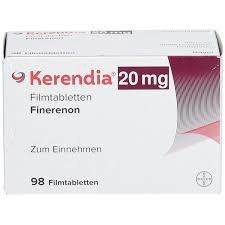
If the patient still shows no significant clinical improvement after taking regular medication, the control of the underlying disease needs to be evaluated. If diabetes, blood pressure or proteinuria do not reach the target, the therapeutic effect of fenelidone may be affected. At this time, the combined use of RAAS inhibitors (such as ACEI or ARB) can be considered to optimize kidney protection, and at the same time strengthen multi-faceted management such as hypoglycemic, antihypertensive and low-protein diet to achieve synergistic effects.
For patients who have received sufficient treatment and whose disease continues to progress, replacement or combination with other treatment options may be considered. For example, for individuals with persistently elevated proteinuria or accelerated deterioration of renal function, SGLT2 inhibitor drugs (such as dapagliflozin, empagliflozin) can be introduced as appropriate. Studies have confirmed that they have complementary effects with fenelidone in cardiorenal protection, and combined use may further improve the condition.
Regular efficacy evaluation and individualized adjustments are the core of long-term treatment management. It is recommended to evaluate eGFR and urinary albumin /creatinine ratio (UACR) every 3 months, and judge whether the therapeutic effect is ideal based on the change trend. When necessary, nephrologists or endocrinologists should be invited to participate in the optimization of treatment strategies to ensure that patients get the best clinical benefit from the fenelidone treatment path.
Reference materials:https://www.drugs.com/
[ 免责声明 ] 本页面内容来自公开渠道(如FDA官网、Drugs官网、原研药厂官网等),仅供持有医疗专业资质的人员用于医学药学研究参考,不构成任何治疗建议或药品推荐。所涉药品可能未在中国大陆获批上市,不适用于中国境内销售和使用。如需治疗,请咨询正规医疗机构。本站不提供药品销售或代购服务。


