
.jpeg)
Neoadjuvant osimertinib produces MPRs with or without chemotherapy in patients with resectable EGFR-mutated NSCLC
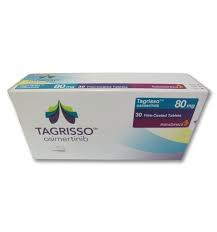
Based onNeoADAURA submission in 2025 Data from a phase 3 trial (NCT04351555) showed that in patients with resectable EGFR-mutated non-small cell lung cancer (NSCLC), neoadjuvant osimertinib/Tagressa (Osimertinib), as a single agent or in combination with chemotherapy, significantly improved the rate of major pathological response (MPR) compared with chemotherapy alone.
The MPR rate was 26% (95% CI, 18%-34%) in patients who received osimertinib plus chemotherapy (n=121) and 25% (95% CI, 17%-34%) in patients who received osimertinib alone (n=117). In comparison, the MPR rate in the placebo plus chemotherapy group (n=120) was 2% (95% CI, 0%-6%). The pathological complete response (pCR) rates were 4%, 9% and 0% respectively. Of note, the MPR benefit of osimertinib-containing regimens was consistent across predefined patient subgroups. Taking the chemotherapy only group as a reference, the odds ratios (OR) of the combination treatment group and the monotherapy group were 19.8 (95.002%CI, 4.6-85.3; P<0.0001) and 19.3 (99.9%CI, 1.7-217.4; P<0.0001) respectively.
1. Examination of Study Design and Baseline Characteristics
NeoADAURA enrolled adult patients with fully resectable EGFR-mutated stage II to IIIB NSCLC. Patients were required to have histologically or cytologically confirmed nonsquamous disease, World Health Organization (WHO) performance status 0 or 1, and L858R exon 19 deletion or mutation. Patients were randomized 1:1:1 to receive osimertinib plus chemotherapy, osimertinib monotherapy, or placebo plus chemotherapy. The primary endpoint was MPR based on blinded central pathology review. Secondary endpoints include event-free survival (EFS), pCR rate, nodal downgrade and safety.
2. Secondary endpoint data and safety findings
Additional findings from the interim EFS analysis of NeoADAURA showed that 2% (n=1/62) of patients with MPR experienced an EFS event, compared with 18% (n=52/296) of patients without MPR. The 12-month EFS rates were 93%, 95%, and 83% in the combination therapy group, the monotherapy group, and the chemotherapy-only group, respectively. Taking the placebo plus chemotherapy group as a reference, the EFS HR of the combination treatment group and the monotherapy group were 0.50 (99.8% CI, 0.17-1.41; P=0.0382) and 0.73 (95% CI, 0.40-1.35) respectively. The median follow-up times for the combination therapy group, the monotherapy group, and the chemotherapy-only group were 14.3 months, 18.3 months, and 14.3 months, respectively.
At the time of surgery, 53% of patients with baseline N2 disease worsened in the combination therapy group (n=47) and the monotherapy group (=38), compared with 21% of patients in the chemotherapy-only group (n=34). Taking the chemotherapy only group as a reference, the ORs of the combination treatment group and the monotherapy group were 4.8 (95% CI, 1.6-14.0) and 4.2 (95% CII, 1.4-12.1) respectively.
Most patients in the combination therapy group (90%), the monotherapy group (95%), and the chemotherapy-only group (88%) completed definitive surgery. The majority of patients in each group underwent R0 resection (91% vs. 95% vs. 93%). Ninety-one percent of patients who completed surgery received adjuvant osimertinib. Of note, no patient died within 30 days of surgery.
In terms of safety, the incidence rates of any adverse reactions (AEs) during neoadjuvant treatment were 92%, 89%, and 93% in the combination therapy group (n=119), the monotherapy group (n=117), and the chemotherapy-only group (n=120), respectively. Patients in each group experienced grade 3 or higher adverse events (36% vs. 13% vs. 33%), serious adverse events (20% vs. 11% vs. 20%), and adverse events leading to discontinuation of study treatment (9% vs. 3% vs. 5%). No patients experienced adverse events leading to death.
Adverse events of any grade considered potentially related to study treatment were reported by 87% in the combination therapy group, 61% in the monotherapy group, and 82% in the chemotherapy-only group. Grade 3 or higher adverse events (29% vs. 4% vs. 23%) and serious adverse events (8% vs. 2% vs. 8%) occurred in all groups. The median total duration of exposure to osimertinib or placebo was 75.0 days (range, 5-110 days), 75.0 days, and 74.5 days, respectively.
In the combination arm, the most common adverse events of any grade reported during neoadjuvant treatment were nausea (28%), constipation (27%), and decreased neutrophil count (25%). In the monotherapy group, common adverse events of any grade included diarrhea (26%), constipation (15%), and cough (14%). Adverse events of any grade that were common in the chemotherapy group only included constipation (34%), nausea (25%), and anemia (19%).
Adverse events of particular concern in the combination group included wound complications (2%) and cardiac effects (1%). In the chemotherapy-only group, the incidence of these adverse events was 0% and 2%, respectively. Patients in the monotherapy group experienced wound complications (1%), cardiac effects (3%), and interstitial lung disease/pneumonitis (2%).
Medium term for each osimertinib-containing arm compared with chemotherapy aloneEFS [outcome] trends were all favorable [and] fewer patients with MPR had EFS events than patients without MPR. More than 50% of patients with baseline N2 disease downgraded during surgery compared with 21% with chemotherapy, and the safety results were consistent with the known drug profile.
References:https://www.onclive.com/view/neoadjuvant-osimertinib-yields-mprs-with-or-without-chemotherapy-in-resectable-egfr-mutated-nsclc
[ 免责声明 ] 本页面内容来自公开渠道(如FDA官网、Drugs官网、原研药厂官网等),仅供持有医疗专业资质的人员用于医学药学研究参考,不构成任何治疗建议或药品推荐。所涉药品可能未在中国大陆获批上市,不适用于中国境内销售和使用。如需治疗,请咨询正规医疗机构。本站不提供药品销售或代购服务。


