
.jpeg)
What key information is provided in the package insert for dabrafenib
1. General information and product names
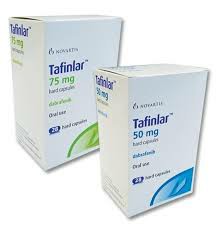
Dabrafenib is a small molecule targeted drug developed for BRAF gene mutations. The common trade name is TAFINLAR. It is an oral BRAF kinase inhibitor and is used to treat a variety of malignant tumors related to specific BRAF V600 mutations. It is often called dabrafenib mesylate capsules in China, and the original manufacturer is Novartis.
2. Scope of indications
Dabrafenib is currently suitable for the treatment of the following diseases, and is often used in combination with trametinib (Trametinib):
1. Melanoma: Applicable to BRAF V600E/V600K mutation-positive unresectable or metastatic melanoma, including postoperative adjuvant therapy.
2. Non-small cell lung cancer (NSCLC): used to detect metastatic cases with BRAF V600E mutation.
3. Anaplastic thyroid cancer (ATC): For those who are locally advanced or metastatic and have no feasible treatment options.
4. Solid tumors (children and adults): Solid tumors 1 year old and older with BRAF V600E mutations that cannot be surgically resected or have recurred and metastasized.
5. Low-grade glioma (LGG): BRAF mutation-related glioma in children that requires systemic treatment.
3. Usage and dosage
Dabrafenib is in capsule form, with common specifications of 50mg and 75mg. The medication should be taken on an empty stomach (1 hour before meals or 2 hours after meals), twice a day, with an interval of about 12 hours. The standard adult dose is 150 mg twice daily. Pediatric dosage is stratified by body weight: 26-37 kg is 75 mg twice daily, and 38-50 kg is 100 mg twice daily. When the dose is too high or the side effects are severe, the dose needs to be gradually reduced according to the doctor's guidance.
4. Side effects and tolerance
Common side effects of dabrafenib monotherapy include skin hyperkeratosis, alopecia, papillomas, rash, fever, joint pain, nausea, etc.; when used in combination with trametinib, discomforts such as fever, chills, fatigue, headache, and gastrointestinal reactions are more likely to occur. Some patients develop grade 3 or 4 laboratory index abnormalities, such as neutropenia or elevated liver enzymes, and hematology and liver function changes need to be closely monitored.
5. Pharmacological mechanism
Dabrafenib is an ATP-competitive BRAF kinase inhibitor. It has high inhibitory activity against BRAF V600E, V600K, and V600D mutations, and also slightly inhibits wild-type BRAF and CRAF. By blocking the MAPK/ERK signaling pathway, the excessive proliferation of tumor cells induced by BRAF mutations can be effectively inhibited. Combined treatment with trametinib can further downregulate MEK/ERK signaling, combat drug resistance mechanisms, and enhance anti-cancer effects.
6. Storage suggestions and precautions
Dabrafenib should be stored between 20°C and 25°C and kept in a dry state. It must be placed in the original packaging and sealed to prevent moisture from affecting the stability of the capsule. It should be noted that because patients with wild-type BRAF have poor response to the drug, it is not recommended for patients with solid tumors or colorectal cancer without BRAF mutations.
7. Treatment of overdose
There is currently no specific detoxification method for dabrafenib overdose, and hemodialysis is not effective in removing it. In the event of a serious overdose, you should seek medical treatment immediately, focusing on symptomatic and supportive treatment.
Reference materials:https://go.drugbank.com/drugs/DB08912
[ 免责声明 ] 本页面内容来自公开渠道(如FDA官网、Drugs官网、原研药厂官网等),仅供持有医疗专业资质的人员用于医学药学研究参考,不构成任何治疗建议或药品推荐。所涉药品可能未在中国大陆获批上市,不适用于中国境内销售和使用。如需治疗,请咨询正规医疗机构。本站不提供药品销售或代购服务。


