
.jpeg)
Analysis of the mechanism of action and pharmacological properties of besetifan
Belzutifan is a new and specific inhibitor of HIF-2α (hypoxia-inducible factor-2α), which targets the hypoxia signaling pathway that is closely related to the occurrence of various tumors. This drug blocks the proliferation and progression of malignant tumors at the molecular level by interfering with the cells' adaptation mechanism to a hypoxic environment, occupying a unique therapeutic position in the era of precision medicine.
Hypoxia is a common feature in the tumor microenvironment. At this time, HIF-2α protein will not be degraded, but will combine with HIF-1β in the nucleus to form a transcription complex and activate the expression of a large number of downstream cancer-promoting genes, such as VEGF (vascular endothelial growth factor) and EPO (erythropoietin). These factors promote angiogenesis, tumor growth and metabolic changes. Under normal oxygen conditions, HIF-2α will be degraded mediated by VHL protein. However, in some genetic diseases such as VHL disease, the VHL protein function is lost, resulting in the stable existence of HIF-2α and continued promotion of tumor-related gene activity.
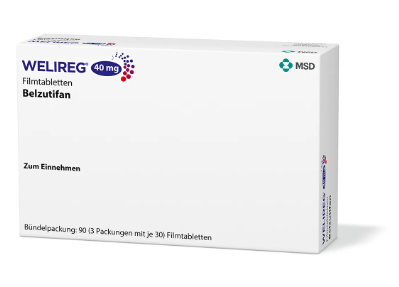
The mechanism of Bezotivan is to precisely bind to the HIF-2α protein and prevent it from binding to HIF-1β, thereby interrupting this abnormal signaling pathway. This mechanism makes it a new breakthrough in targeted therapy for tumors under the pathological mechanism of VHL. The pharmacological properties of besetifan also support its long-term application as an oral drug, with good tissue distribution and selective targeting advantages, independent of traditional chemotherapy toxicity mechanisms.
In addition, pharmacokinetic studies show that Bestivan is relatively stable in liver metabolism and has a clear excretion pathway, reducing the risk of mutual interference between drugs. Its mechanism of action is unique and different from most TKIs (tyrosine kinase inhibitors) or immunotherapy, and it can cover molecular targets that were difficult to reach with previous treatments.
In summary, besotivan representsa cutting-edge drug in the HIF pathway intervention strategy. Its clear target mechanism, good tolerability and unique pharmacological properties provide a scientifically logical and clinically promising solution for the treatment of VHL-related cancers, such as renal cell carcinoma (RCC). It also provides a theoretical basis for future expansion to more hypoxia-driven tumors.
Reference materials:https://www.welireg.com/
[ 免责声明 ] 本页面内容来自公开渠道(如FDA官网、Drugs官网、原研药厂官网等),仅供持有医疗专业资质的人员用于医学药学研究参考,不构成任何治疗建议或药品推荐。所涉药品可能未在中国大陆获批上市,不适用于中国境内销售和使用。如需治疗,请咨询正规医疗机构。本站不提供药品销售或代购服务。


