
.jpeg)
Summary of real medication experience and feedback from patients with Telisotuzumab
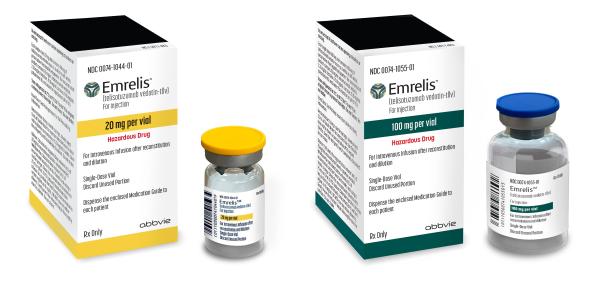
Telisotuzumab (Telisotuzumab Vedotin) is an antibody drug conjugate (ADC), mainly used to treat patients with non-small cell lung cancer (NSCLC) carrying c-MET overexpression or amplification. It achieves highly selective killing by targeting c-MET receptors on the surface of tumor cells and delivering cytotoxic drugs into the interior of cancer cells. As a new targeted drug in clinical research and early use, more and more patients are receiving terituzumab treatment in the real world, and their drug experience and feedback also provide an important reference for us to understand the efficacy and tolerability of the drug. The following is a systematic summary of patients' real medication experience from four aspects: efficacy, side effects, changes in quality of life, and psychological feedback.
1. Feedback on efficacy
Many patients treated with terituzumab reported that the drug showed rapid and significant responses in terms of disease control. In multiple real cases, patients experienced 1 to 2 cycles (approximately 3< each cycle) after use. /span>weeks), a tumor shrinkage trend can be seen in imaging evaluation, especially in patients who have not received multiple lines of treatment, or who have clearly positive c-MET expression, the response is more significant. A middle-aged male lung cancer patient reported that after experiencing EGFR-TKI resistance, he was switched to terituzumab for treatment. After only one course of treatment, CT showed that the primary tumor had shrunk by more than 30%, which gave him more time for subsequent treatment.
However, some patients report that there is no obvious progress in the early stage of treatment, and they need to persist for 2-3 cycles before they begin to observe signs of relief. This shows that the speed of onset of effect of territuzumab is not completely consistent in some people. The efficacy needs to be comprehensively judged based on pathological classification, molecular testing results, disease load before treatment and other factors.
2. Side Effects Experience
As an antibody drug conjugate, the toxicity of terituzumab mainly comes from its connected cytotoxic small molecule components (such asMMAE), so some patients may experience more obvious adverse reactions. The most common side effects include:
1.Fatigue: Many patients reported significant fatigue within the first month of treatment, especially within a few days after taking the medication, but it generally eases as the body adapts.
2.Gastrointestinal discomfort: Some patients report nausea, mild diarrhea, or loss of appetite, which can usually be relieved by adjusting diet, rehydration, or using symptomatic drugs.
3.Peripheral neurotoxicity: A few patients experience numbness, tingling or unsteady gait in their fingers after multiple cycles, indicating peripheral nerve damage, and the medication interval or dosage needs to be adjusted under the guidance of a doctor.
4.Leukopenia: Some patients experience a drop in blood count in the middle of treatment, and need to interrupt treatment or use white blood cell-raising drugs to counteract bone marrow suppression.
Overall, most side effects are mild to moderate and controllable, and rarely require permanent discontinuation of medication. Patients generally stated that as long as they cooperate with doctors for regular monitoring and side effect management, the tolerability of territuzumab is ideal.
3. Changes in quality of life
Most patients reported that disease control brought significant improvement in quality of life after using terituzumab. Especially after the symptoms of the primary tumor, such as dyspnea, chest pain, or decreased physical strength, are relieved, the patient's mobility recovers significantly. For example, a female patient with NSCLC experienced coughing up blood and shortness of breath due to compression by a lung tumor. After receiving treatment, her symptoms were significantly reduced within 2 months after receiving treatment, and she regained the ability to walk and do light physical work.
In addition, territuzumab is administered intravenously and has a long treatment cycle (generally once every 3 weeks). The interval provides patients with greater freedom of movement, which is especially suitable for patients who need to balance treatment with work and family life. Compared with frequent hospitalization for chemotherapy or daily oral medication, this treatment model improves some patients' sense of "life control."
4. Psychological and compliance feedback
For patients with advanced cancer, psychological status has a significant impact on treatment. The new therapeutic hope shown by terituzumab has re-established confidence in some patients who have experienced multiple regimen failures. Some patients have shared their experiences of "tumor shrinkage and improvement in indicators" on social media or patient communication groups. This positive information has played a positive role in improving patient compliance.
Of course, there are also patients who feel anxious and questionable in the early stages of treatment because the efficacy is not yet obvious. Especially for families with a heavy burden of treatment costs, the psychological pressure increases. In this case, patients expressed their desire to receive information services with clearer treatment expectations, auxiliary psychological support and financial assistance to enhance treatment confidence.
Territuzumab, as a new type of ADC drug, has received relatively positive feedback from patients in practical applications. Most patients gave positive comments in terms of efficacy, tolerability, and improvement in quality of life, especially c-METIt has clear therapeutic value in lung cancer patients with positive expression. Of course, its side effect management and psychological support cannot be ignored. In the future, with the accumulation of more real-world data and post-marketing studies, terituzumab is expected to further optimize the use of population screening and management strategies, bringing more hope to patients with advanced lung cancer.
Reference materials:https://www.drugs.com/
[ 免责声明 ] 本页面内容来自公开渠道(如FDA官网、Drugs官网、原研药厂官网等),仅供持有医疗专业资质的人员用于医学药学研究参考,不构成任何治疗建议或药品推荐。所涉药品可能未在中国大陆获批上市,不适用于中国境内销售和使用。如需治疗,请咨询正规医疗机构。本站不提供药品销售或代购服务。


