
.jpeg)
What are the contraindications that require special attention when using Vimseltinib?
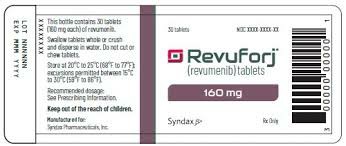
Vimseltinib is a new type of oral selective tyrosine kinase inhibitor, mainly used to treat certain solid tumors driven by specific gene rearrangements or mutations, such as giant cell tenosynovoma (TGCT) and other related tumors. As a targeted therapy drug, while vimsetinib exerts its anti-tumor effect, patients and doctors need to pay special attention to its contraindications to ensure the safety of the drug and avoid the occurrence of serious adverse reactions. The following will elaborate on the four aspects of contraindications, drug interactions, medication for special groups and precautions.
1. Contraindications
Contraindications of vimsetinib mainly include patients who are allergic to any component of this product. If the patient is known to have allergic reactions to vimsetinib or its auxiliary ingredients, such as rash, dyspnea, laryngeal edema, etc., the use of this drug is strictly prohibited to avoid severe anaphylactic shock. In addition, vimsetinib has not been fully studied in patients with severe hepatic impairment. Patients with severe abnormal liver function (Child-Pugh C grade) should be used with caution or avoided because it may lead to drug accumulation and aggravated toxicity.
In addition, patients with a history of severe heart disease should use vimsetinib with special caution. Some tyrosine kinase inhibitor drugs can cause cardiotoxicity such as QT interval prolongation and arrhythmia. Although reports on vimsatinib are limited, doctors should decide whether to use the drug based on risk assessment, and conduct electrocardiogram and cardiac function monitoring if necessary.
2. Drug interaction taboos
The metabolism of Vimsetinib mainly relies on the CYP3A4 enzyme system of the liver. Therefore, combined use with strong CYP3A4 inhibitors (such as ketoconazole, clarithromycin, grapefruit juice, etc.) will significantly increase the plasma concentration of Vimsetinib and increase the risk of toxicity. Therefore, the combined use of such drugs should be avoided during use. On the contrary, strong CYP3A4 inducers (such as rifampicin, carbamazepine) may reduce the plasma concentration of vimsitinib and reduce the therapeutic effect, and their simultaneous use should also be avoided.
In addition, vimsetinib may interact with other drugs that prolong the QT interval, and combined use may increase the risk of cardiotoxicity. While patients are taking vimusitinib, doctors should comprehensively evaluate all concomitant drugs, try to avoid co-administration with drugs known to prolong QT, and strengthen monitoring if necessary.
3. Taboos and precautions for special groups of people
1.Pregnant and lactating women
There are limited studies on the safety of vimsetinib in pregnancy, and animal experiments have shown that the drug may have reproductive toxicity, so it is contraindicated in pregnant women. Women of childbearing age should take effective contraceptive measures to avoid pregnancy during medication. Breastfeeding women should also avoid using vimsetinib or stop breastfeeding during treatment to prevent the drug from being passed to the baby through breast milk.
2.Patients with liver and kidney dysfunction
Patients with impaired hepatic function should be cautious when using vimsetinib, as the drug is mainly metabolized by the liver, and abnormal liver function may lead to drug accumulation and increased toxicity. Patients with mild to moderate liver damage should adjust the dose or monitor blood drug concentration under the guidance of a doctor. Although there are no obvious contraindications when used by patients with renal insufficiency, it is recommended to regularly monitor renal function to prevent potential risks.
3.Elderly patients
Elderly patients may have reduced drug metabolism and tolerance due to decreased physiological functions. When using vimsetinib, special attention should be paid to dose adjustment and early identification of adverse reactions.
4. Other precautions during use
1.Monitor heart function
Vemcertinib may affect the electrophysiological characteristics of the heart, so it is recommended to conduct regular electrocardiogram examinations before and during treatment, pay attention to changes in the QT interval, and promptly adjust the treatment plan if abnormalities are found.
2.Monitor liver function and blood indicators
Liver function (ALT, AST, total bilirubin) and hematological indicators should be monitored regularly during treatment to prevent and promptly handle hepatotoxicity and bone marrow suppression.
3.Avoid concurrent use with other tyrosine kinase inhibitors
Unless clinically clearly indicated, avoid coadministration with other tyrosine kinase inhibitors (TKI) drugs to prevent drug interactions and cumulative toxicity.
4.Patient education and medication compliance
Patients need to understand the contraindications and possible adverse reactions of vimsetinib, take the medication as directed by their doctor, and avoid stopping the medication or changing the dose on their own. If you experience severe discomfort, you should seek medical advice promptly.
In summary, vimsatinib, as a targeted drug targeting specific genetic mutations, has shown good efficacy in the treatment of related tumors, but its contraindications and precautions are relatively strict. Reasonable assessment of the patient's physical condition, concomitant medications and special circumstances, avoiding use in patients with contraindications, and closely monitoring various indicators during treatment are the keys to ensuring the safe and effective application of vimsatinib. Patients and doctors should maintain close communication and jointly manage the treatment process to maximize the benefits of the drug and reduce potential risks.
Reference materials:https://www.drugs.com/
[ 免责声明 ] 本页面内容来自公开渠道(如FDA官网、Drugs官网、原研药厂官网等),仅供持有医疗专业资质的人员用于医学药学研究参考,不构成任何治疗建议或药品推荐。所涉药品可能未在中国大陆获批上市,不适用于中国境内销售和使用。如需治疗,请咨询正规医疗机构。本站不提供药品销售或代购服务。


