
.jpeg)
What special precautions should be taken while taking Atrasentan?
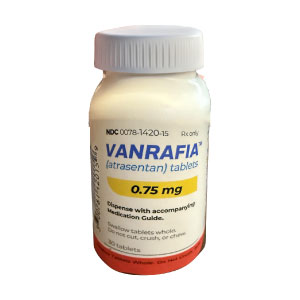
Atrasentan (Atrasentan) is a selective endothelinA receptor antagonist (Endothelin A receptor antagonist, ETAantagonist), mainly used to treat patients with chronic kidney disease (CKD) accompanied by proteinuria, especially patients with diabetic nephropathy suffering from type 2 diabetes. By blocking endothelin-1-mediated vasoconstriction, cell proliferation and inflammatory response, atrasentan can reduce proteinuria, slow down the deterioration of renal function, and improve cardiovascular prognosis to a certain extent. However, due to its unique mechanism of action and its impact on renal hemodynamics, patients need to pay special attention to many matters while taking the drug. This article will systematically review the medication precautions during atrasentan treatment from aspects such as dose management, laboratory monitoring, drug interactions, adverse reaction management, and use in special populations.
1. Dosage management and medication compliance
Atrasentan is usually taken orally once daily, with a common starting dose of 10 mg, which may be adjusted according to different research protocols and patient conditions. Patients must strictly follow the doctor's prescription and do not increase or decrease the dosage or stop medication on their own. Long-term regular medication can achieve stable proteinuria reduction and renal function protection effects.
Since atrasentan is an important drug that acts on blood vessels and kidneys, sudden discontinuation of the drug may cause proteinuria rebound or blood pressure fluctuations, affecting the stability of kidney disease. Therefore, it is recommended to consult a doctor before adjusting or discontinuing medication, and to gradually adjust the dose under professional monitoring. At the same time, treatment goals and importance should be communicated with patients to improve medication compliance.
2. Monitoring of important laboratory indicators
Atrasentan may affect blood volume status, electrolyte balance, and liver and kidney function during treatment. The following tests need to be performed regularly:
1.Serum creatinine and eGFR: To evaluate changes in renal function, it is recommended to check once a month after initial medication, and then monitor every 1–3 months.
2.Proteinuria (urinary albumin/creatinine ratio): As an efficacy indicator, it is used to judge whether the drug is effective in reducing proteinuria.
3.Hemoglobin/Hematocrit: EndothelinA blockers may affect red blood cell production, and some patients may develop anemia.
4.Liver function (ALT/AST): A very small number of patients may develop abnormal liver function, especially when used in combination with other drugs.
5.Signs of weight and fluid retention: Atrasentan can cause fluid retention and should be monitored for signs of edema and rapid weight gain, especially in patients at high risk for heart failure.
If the monitoring indicators are abnormal, the treatment plan should be adjusted in time, such as reducing the dose, suspending the medication, or combining it with other symptomatic treatments.
3. Prevention and management of common side effects
Although atrasentan is generally well tolerated, the following side effects may still occur:
1.Fluid retention/Peripheral edema: is one of the most common adverse reactions. Patients may experience ankle swelling, weight gain, difficulty breathing, etc. Mild cases can be controlled by limiting sodium intake and using diuretics, while severe cases may require temporary discontinuation of medication.
2. Nasal congestion and nasopharyngitis: These are mild symptoms that can be treated symptomatically without stopping the medication.
3.Hypotension: Some patients, especially when combined with RAAS inhibitors (such as ACEI/ARB), may experience a drop in blood pressure. Blood pressure should be measured regularly to avoid orthostatic hypotension.
4.Anemia: Long-term use may affect red blood cell production. Regularly monitor blood routine and supplement iron or erythropoietin, and adjust medications if necessary.
5.Abnormal liver function: It is rare but requires vigilance. Check liver enzymes regularly and avoid combination with other hepatotoxic drugs.
Overall, most side effects are controllable and reversible, but require close monitoring and timely intervention by a physician.
4. Precautions for drug interactions and combined medication
Atrasentan is mainly metabolized through the hepatic metabolizing enzyme CYP3A4 pathway. Therefore, combined use with CYP3A4 inhibitors (such as ketoconazole, clarithromycin) or inducers (such as carbamazepine, rifampicin) may affect its plasma concentration and should be used with caution.
At the same time, atrasentan is often combined with RAAS inhibitors (ACEI/ARB), SGLT2 inhibitors, diuretics and other drugs to enhance renal protection, but this also increases the risk of hypotension, hyperkalemia or fluid retention. Therefore, doctors need to conduct risk assessment and individualized dose adjustment when using combined drugs.
In addition, when atrasentan is combined with anticoagulant drugs such as warfarin, it is necessary to monitor changes in INR because there is a potential interaction between the endothelin system and the coagulation system.
5. Considerations for use by special groups of people
Elderly patients: with decreased metabolic function and many comorbid diseases, careful initial dosage and enhanced monitoring are required.
People with hepatic insufficiency: Because it is mainly metabolized in the liver, patients with moderate to severe hepatic insufficiency should avoid using it.
Pregnant and lactating women: Animal experiments have shown that it may have reproductive toxicity, so it is contraindicated for pregnant women; the pros and cons of use during lactation should be weighed.
Patients with heart failure: Atrasentan may aggravate water retention or heart failure. It should be used after careful risk assessment and combined with auxiliary measures such as diuretics.
6. Lifestyle intervention and patient education
The effectiveness of drug treatment is inseparable from good lifestyle management. While taking atrasentan, patients are advised to:
Control sodium intake (low-salt diet) to prevent edema;
Maintain moderate exercise to avoid prolonged sitting which aggravates lower limb edema;
Measure blood pressure and weight regularly, and report any abnormalities to the doctor promptly;
Avoid alcohol and unnecessary use ofOTC drugs;
Establish a medication log or reminder mechanism to improve compliance.
At the same time, doctors should regularly communicate with patients about treatment progress and examination results, strengthen disease education, and enhance patients' confidence and cooperation in long-term medication.
As a new renal protective drug, atrasentan has great potential for use in patients with chronic kidney disease, especially diabetic kidney disease. In order to achieve optimal therapeutic effects, various risk factors during medication must be strictly managed. Through standardized dose management, strict laboratory monitoring, individualized side effect prevention, and good doctor-patient communication and education, the safety and compliance of atrasentan treatment can be effectively improved, and reliable support can be provided for patients to delay the deterioration of renal function and improve their quality of life.
Reference materials:https://www.drugs.com/
[ 免责声明 ] 本页面内容来自公开渠道(如FDA官网、Drugs官网、原研药厂官网等),仅供持有医疗专业资质的人员用于医学药学研究参考,不构成任何治疗建议或药品推荐。所涉药品可能未在中国大陆获批上市,不适用于中国境内销售和使用。如需治疗,请咨询正规医疗机构。本站不提供药品销售或代购服务。


