
.jpeg)
What type of patient population is Vimseltinib mainly suitable for?
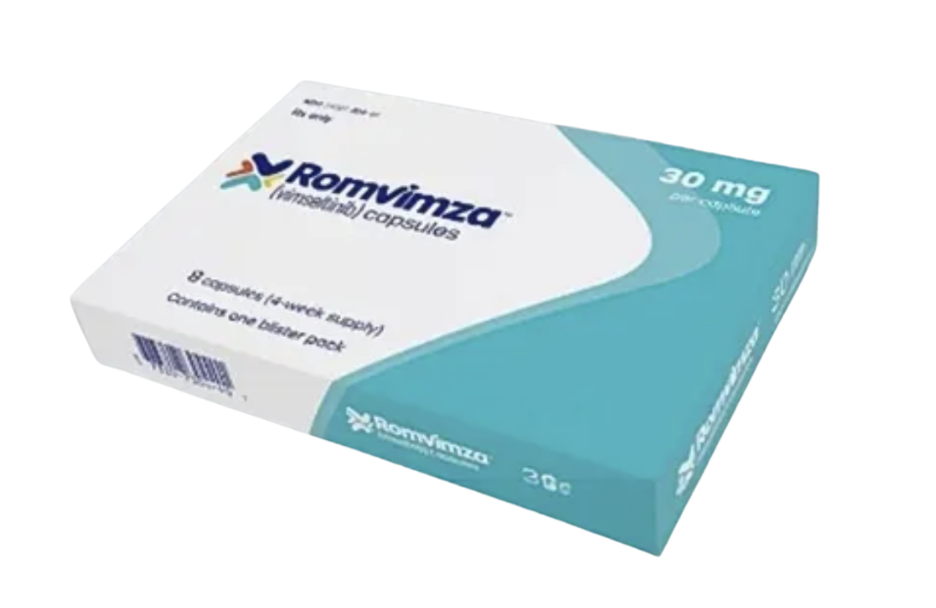
Vimseltinib is an oral CSF1R (macrophage colony-stimulating factor 1 receptor) inhibitor that mainly targets tumor diseases such as tenosynovial giant cell tumor (TGCT) that rely on the CSF1 signaling pathway. TGCT is a rare but locally aggressive soft tissue tumor that mainly occurs in joints, synovium, and tendon sheath tissues. Although the disease is benign, it can cause persistent pain, joint swelling, limited mobility and even joint destruction. Therefore, effective drug treatments are urgently needed to replace or delay surgical treatment.
In summary, vimsetinib is mainly suitable for patients with inoperable, high-risk surgical, recurrent or locally progressive TGCT. Its mechanism targeting CSF1R can precisely inhibit disease progression, providing unprecedented treatment options for this type of patients, and also embodies the clinical value of precision medicine in rare diseases and soft tissue tumors. With further research, it may be expanded to other diseases where macrophage activation is the main focus in the future.
Reference: https://www.drugs.com/
The main applicable population of vimsetinib is TGCT patients with local progression or high surgical difficulty and high surgical risks. It is especially suitable for patients who have repeated recurrences or whose tumors are located in functionally important areas (such as hip joints and knee joints) and are prone to loss of function after surgery. Due to the limited effectiveness of traditional treatments, these patients urgently need targeted molecular therapies to control disease progression, reduce symptoms, and improve quality of life.
In summary, vimsetinib is mainly suitable for patients with inoperable, high-risk surgical, recurrent or locally progressive TGCT. Its mechanism targeting CSF1R can precisely inhibit disease progression, providing unprecedented treatment options for this type of patients, and also embodies the clinical value of precision medicine in rare diseases and soft tissue tumors. With further research, it may be expanded to other diseases where macrophage activation is the main focus in the future.
Reference: https://www.drugs.com/
[ 免责声明 ] 本页面内容来自公开渠道(如FDA官网、Drugs官网、原研药厂官网等),仅供持有医疗专业资质的人员用于医学药学研究参考,不构成任何治疗建议或药品推荐。所涉药品可能未在中国大陆获批上市,不适用于中国境内销售和使用。如需治疗,请咨询正规医疗机构。本站不提供药品销售或代购服务。


