
.jpeg)
What is the average survival time of patients after taking Ensartinib?
Ensartinib is a new type of ALKtyrosine kinase inhibitor, mainly used to treat patients with ALK-positive advanced non-small cell lung cancer (NSCLC). As a second-generation ALK inhibitor, ensartinib has shown good efficacy in clinical trials, especially in overcoming drug resistance and brain metastasis. The average survival time of patients (OS) is one of the important indicators for evaluating the efficacy of the drug.
According to data from multiple clinical trials, the progression-free survival of ensartinib treatedALKpositiveNSCLC patients (< span>PFS) The median is generally around 18 months, and some studies show it can reach more than 20 months. Compared with the first-generation ALK inhibitor crizotinib, ensartinib has significant advantages in prolonging disease control time, especially in patients with brain metastases, and significantly reduces the risk of brain disease progression.
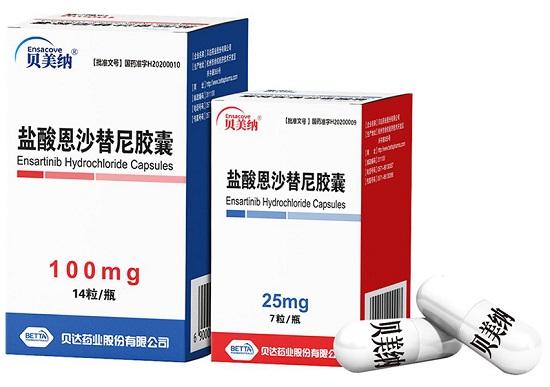
As for overall survival (OS), clinical data are still continuing to accumulate, but studies have shown that the median OS of patients treated with ensartinib can be extended to more than 3 years. It should be noted that OS is affected by many factors, including the patient's baseline status, whether he or she receives subsequent treatment, and other concomitant medications. The emergence of ensartinib has brought longer-lasting improvement in quality of life and survival benefits to ALKpositive patients.
Overall, ensartinib improves the survival of patients with advanced NSCLC by effectively inhibiting ALK driven tumor growth and controlling brain metastasis. As more real-world data are released, its specific survival advantages will be further clarified, providing an important basis for patients to develop personalized treatment plans.
Reference materials:https://www.drugs.com/
[ 免责声明 ] 本页面内容来自公开渠道(如FDA官网、Drugs官网、原研药厂官网等),仅供持有医疗专业资质的人员用于医学药学研究参考,不构成任何治疗建议或药品推荐。所涉药品可能未在中国大陆获批上市,不适用于中国境内销售和使用。如需治疗,请咨询正规医疗机构。本站不提供药品销售或代购服务。


