
.jpeg)
What are the precautions when taking Revumenib?
Revumenib (Revumenib) is an innovative oral selective targeted drug mainly used to treat specific types of acute myeloid leukemia (AML), especially patients with KMT2A fusion gene. As a targeted therapy drug, Revimenib inhibits related transcriptional activators and blocks the abnormal proliferation of leukemia cells, thereby exerting anti-tumor effects. Due to its special mechanism of action and potential side effects, patients need to pay special attention to multiple medication details while taking Revemenib to ensure the safety and effectiveness of the treatment. The following content will introduce in detail the medication precautions for Revimenib in terms of pre-medication preparation, medication management, drug interactions and adverse reaction monitoring.
1. Preparation and evaluation before medication
Before starting treatment with Revemenib, patients need to undergo a comprehensive physical examination and related laboratory tests, including routine blood work, liver and kidney function, electrolyte levels, etc., to assess the patient's overall health status and potential risks. At the same time, it is necessary to confirm whether the patient has a history of drug allergy or severe liver and kidney dysfunction. These conditions may affect the safety of medication. Physicians should have a detailed understanding of the patient's past medication history and avoid concurrent use with drugs that may cause serious interactions with Revemenib. In addition, molecular testing based on tumor type and genetic status to ensure that patients are suitable for drug treatment is a prerequisite for rational drug use.
2. Medication time and dose management
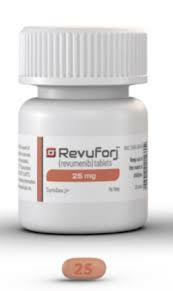
Revimenib is generally administered orally and must be taken strictly in accordance with the dosage and time prescribed by the doctor. Patients should follow the principle of taking medication at regular times every day and avoid missing doses or adjusting the dosage without authorization. When taking the medicine, the tablet should be swallowed whole and should not be broken or chewed at will to ensure stable release and absorption of the medicine. At the same time, it is recommended that patients take it after meals to reduce gastrointestinal irritation and reduce the occurrence of nausea, abdominal pain and other discomforts. If a dose is missed, the dose should be taken as soon as possible after discovery. However, if it is close to the time of the next dose, skip the missed dose and never double the dose.
3. Pay attention to drug interactions
Revimenib is mainly metabolized in the body through the liver enzyme system, especially CYP3A4 in the cytochrome P450 (CYP) enzyme family. Therefore, when used simultaneously with other strong inducers or inhibitors of CYP3A4, it may significantly affect the plasma concentration of revimenib, thereby affecting the efficacy or increasing the toxic and side effects. For example, certain antifungal drugs (such as ketoconazole), antibiotics (such as erythromycin), antiepileptic drugs (such as carbamazepine) and other drugs should be avoided at the same time, or the dosage should be adjusted under the guidance of a doctor. In addition, patients should avoid taking grapefruit and its products at the same time during medication, because they can inhibit CYP3A4, resulting in increased concentrations of revimenib.
4. Monitoring and management of adverse reactions
While taking Revemenib, patients need to closely monitor their physical condition, paying special attention to common adverse reactions, such as gastrointestinal reactions (nausea, vomiting, diarrhea), bone marrow suppression (shown as anemia, leukopenia, thrombocytopenia), abnormal liver function, and skin reactions. Regular blood routine and liver function tests can detect abnormal indicators in a timely manner, which can help adjust treatment plans and prevent serious adverse events. If you develop fever, symptoms of severe infection, or bleeding tendencies, seek medical attention immediately.
In addition, patients should pay attention to maintaining good living habits, ensuring adequate rest and nutrition, and avoiding the risk of infection. At the same time, actively cooperate with the doctor's treatment and follow-up plan and promptly report any physical discomfort. Some patients may experience mental state changes during treatment, such as anxiety, depression, etc., and should seek psychological support when necessary.
5. Other lifestyle suggestions
During treatment with Revimenib, patients should avoid drinking alcohol and smoking, as these behaviors may increase the burden on the liver or affect drug metabolism. Maintaining appropriate exercise and a regular schedule can help improve immunity and body resistance. Patients should consult their physician before taking any over-the-counter medication, herbal medicine, or nutritional supplement to avoid potential drug interactions.
In summary, as an important AML targeted therapy drug, Revimenib requires close cooperation between the patient and the medical team during the medication period. Strictly observing the dosage and time of medication, being alert to drug interactions, promptly monitoring and managing adverse reactions, and maintaining a healthy lifestyle are the keys to ensuring treatment effectiveness and safety. Through comprehensive and scientific medication management, patients can benefit from the treatment of Revemenib to the maximum extent, providing strong support for overcoming the disease.
Reference materials:https://www.drugs.com/
[ 免责声明 ] 本页面内容来自公开渠道(如FDA官网、Drugs官网、原研药厂官网等),仅供持有医疗专业资质的人员用于医学药学研究参考,不构成任何治疗建议或药品推荐。所涉药品可能未在中国大陆获批上市,不适用于中国境内销售和使用。如需治疗,请咨询正规医疗机构。本站不提供药品销售或代购服务。


