
.jpeg)
Will KRAS mutations recur after discontinuation of Sotorasib?
Sotorasib is a targeted inhibitor of the KRAS G12C mutation and is mainly used to treat patients with non-small cell lung cancer (NSCLC) carrying this mutation. As the first approved KRAS G12C inhibitor, sotoraxib has shown positive effects in controlling tumor growth. However, whether tumors related to KRAS mutations will relapse after discontinuation of the drug is a matter of great concern to patients and doctors.
First of all, sotorasiib specifically inhibits the activity of KRAS G12C protein, blocking downstream signaling pathways and inhibiting tumor cell proliferation. During the period of continuous medication, many patients' tumor burden was significantly reduced and their condition was effectively controlled. However, KRAS gene mutation itself is the driving factor of tumor cells. Stopping the drug means that the inhibition of the mutant protein is relieved, which may lead to the restoration of growth activity of tumor cells.
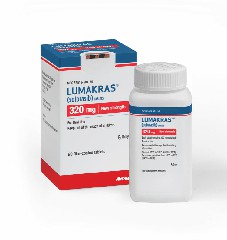
Secondly, clinical studies and actual observations show that some patients may experience disease progression or even relapse after discontinuing sotoraxib. This is primarily because drug inhibition is withdrawn and residual tumor cells still carry the KRAS G12C mutation and can continue to drive cancer development. In addition, the drug resistance mechanism and heterogeneity of tumors may also lead to recurrence or disease exacerbation.
Third, the risk of recurrence is affected by multiple factors, including the molecular characteristics of the tumor, the duration of treatment, the patient's overall condition, and the presence of other drug-resistant mutations. In order to reduce the risk of recurrence, doctors usually recommend that patients try to maintain treatment after the efficacy of sotoraxib is stable, unless discontinuation of treatment is considered due to severe side effects or other special circumstances.
In summary, tumors driven by KRAS G12C mutations do have a risk of recurrence after discontinuation of sotoraxib. Patients should fully communicate with their doctors before discontinuing medication, weigh the pros and cons, and formulate a scientific discontinuation and follow-up plan. After stopping the drug, changes in the condition should be closely monitored, and corresponding treatment measures should be taken promptly to control the progression of the condition to the maximum extent.
Reference materials:https://www.drugs.com/
[ 免责声明 ] 本页面内容来自公开渠道(如FDA官网、Drugs官网、原研药厂官网等),仅供持有医疗专业资质的人员用于医学药学研究参考,不构成任何治疗建议或药品推荐。所涉药品可能未在中国大陆获批上市,不适用于中国境内销售和使用。如需治疗,请咨询正规医疗机构。本站不提供药品销售或代购服务。


