
.jpeg)
Is it easy for the disease to relapse after stopping capmatinib?
Capmatinib (Capmatinib) is a targeted treatment drug for non-small cell lung cancer with METex14 skipping mutation. It can effectively inhibit tumor growth and delay disease progression. For patients who are taking capmatinib, whether their condition will easily rebound after stopping the drug is a matter of great concern.
Capmatinib can effectively control the growth and spread of tumors by targeting and inhibiting the abnormally activated MET signaling pathway in tumor cells. During the period of continuous medication, many patients' tumor burden was significantly reduced and their symptoms were relieved. However, after stopping the drug, the inhibitory effect of the drug disappears, and the tumor cells may resume activity, leading to worsening or recurrence of the disease.
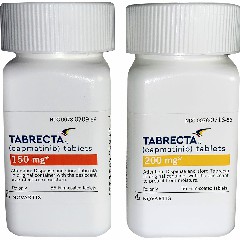
Clinical observation shows that for some patients, there is indeed a certain risk of disease rebound after drug withdrawal, especially when the tumor has not been completely controlled or there is minimal residual disease. Discontinuation of the drug may lead to rapid tumor progression, manifested by worsening of symptoms or enlargement of lesions on imaging studies. Therefore, doctors usually advise patients to carefully consider discontinuing medication after their condition is stable and after a thorough evaluation.
The risk of recurrence after drug withdrawal is closely related to the patient's specific condition, length of drug use, tumor molecular characteristics and other factors. Some patients can reduce the risk of rebound by adjusting the dose or extending the treatment cycle. At the same time, close follow-up and regular examinations are crucial for early detection of disease changes. Once signs of recurrence are found, treatment should be resumed or the treatment plan should be adjusted in a timely manner.
In summary, there is a certain risk of disease rebound after discontinuation of capmatinib. Patients should make discontinuation decisions under the guidance of professional doctors and maintain regular review and monitoring. Reasonable treatment management and scientific drug withdrawal plan can help to control the disease to the maximum extent and protect the patient's long-term health and quality of life.
Reference materials:https://www.drugs.com/
[ 免责声明 ] 本页面内容来自公开渠道(如FDA官网、Drugs官网、原研药厂官网等),仅供持有医疗专业资质的人员用于医学药学研究参考,不构成任何治疗建议或药品推荐。所涉药品可能未在中国大陆获批上市,不适用于中国境内销售和使用。如需治疗,请咨询正规医疗机构。本站不提供药品销售或代购服务。


