
.jpeg)
Mobotinib treatment progress and future clinical application prospects
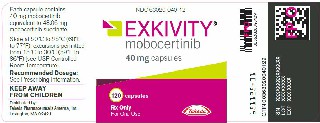
Mobocertinib (trade name: Exkivity) is a drug that specifically targets EGFR Exon 20 insertion mutations. mutation), an oral irreversible tyrosine kinase inhibitor (TKI) for the treatment of a refractory but molecularly characterized subtype of non-small cell lung cancer (NSCLC). Traditional EGFR-TKIsuch as gefitinib, erlotinib, etc., for EGFRcommon mutations such as span>L858R and 19 exon deletion have significant effects, but EGFR exon20Insertion mutations are almost ineffective, so the emergence of mobotinib fills this therapeutic gap.
Mobotinib was developed by Takeda Pharmaceuticals and received accelerated approval from the U.S. FDA in 2021 for the treatment of patients with EGFR exon20 insertion mutation-positive advanced non-small cell lung cancer after platinum-based chemotherapy. In 2023, China’s National Food and Drug Administration (NMPA) also approved its use for the same indication, becoming the first domestic targeted therapy drug specifically for this type of mutation.
In theEXCLAIM expansion clinical study, mobotinib demonstrated encouraging efficacy. The trial included 114 previously treated EGFR exon20 NSCLC patients with exon20 insertion mutations. The results showed that the objective response rate (ORR) was 28%, and the median duration of response (DoR) was 17.5 months months, the median progression-free survival (PFS) was 7.3 months, and the median overall survival (OS) was close to 24 months. For a patient group where traditional treatments have limited efficacy, mobotinib provides an unprecedented survival benefit.
In terms of safety, common side effects of Mobotinib include diarrhea, nausea, vomiting, rash, paronychia, loss of appetite, etc. Most of them are1~Grade 2 adverse reactions. However, a small number of patients have experienced serious toxic reactions, such as QT interval prolongation, electrolyte disorders and other heart-related problems. Therefore, electrocardiogram monitoring and laboratory tests are required during use. According to clinical trial data, approximately 17% of patients require dose reduction or interruption of treatment due to side effects. Therefore, clinicians need to pay close attention to the patient's tolerance when using it and adjust the dosage in a timely manner to ensure safety.
It is worth noting that currently, mobotinib is only approved for second-line treatment, that is, it can be used only after patients fail platinum-based chemotherapy. However, as more data accumulate, its potential for first-line treatment is gradually being explored. Takeda is conducting a global randomized phase III clinical trial called EXCLAIM-2 to compare the efficacy of mobotinib and standard chemotherapy in treatment-naïve patients with EGFR exon20 insertion mutations. If the study results are positive, mobotinib is expected to expand its indications and become the drug of choice for these patients.
In addition to non-small cell lung cancer, researchers are also exploring the potential of mobotinib in other EGFR exon20 insertion mutation-positive tumors (such as colorectal cancer, gastric cancer, etc.). In addition, since mobotinib also has certain HER2 inhibitory activity, some studies are evaluating its use in HER2 mutation-driven Role in solid tumors, such as HER2mutated lung and gastric cancers, especially after failure or resistance to traditional HER2 targeted therapies.
From the perspective of drug development trends, the future clinical applications of mobotinib mainly include the following directions worthy of attention:
First, the treatment line is advanced. If mobotinib can show better efficacy than chemotherapy or immunotherapy in treatment-naïve patients, it will gain wider acceptance in first-line treatment, which will greatly enhance its clinical status.
Second, explore combination treatment strategies. There are currently studies trying to combine mobotinib with other targeted drugs or chemotherapy drugs, such as anti-VEGF drugs and anti-PD-1 immune drugs, to explore synergistic mechanisms and improve the remission rate and resistance control time.
Third, research on drug resistance mechanisms and subsequent treatment options. At present, some patients will develop resistance to mobotinib after treatment. Studies have shown that common resistance mechanisms include secondary mutations, bypass activation pathways, etc. Therefore, developing the next generation of inhibitors targeting EGFR exon20 mutations or drugs targeting drug resistance pathways is an important direction in the future.
Fourth, optimize drug safety. Although mobotinib has remarkable efficacy, toxicity management is still a challenge in clinical application. Future research will focus on better dosage forms and more reasonable dosage optimization plans to improve patients' long-term medication compliance and quality of life.
In general, as one of the few targeted drugs known to have significant efficacy against EGFR exon20 insertion mutations, mobotinib has brought new treatment options to this part of "refractory" lung cancer patients. Although its indications are currently limited to second-line treatment, as more clinical studies advance, its potential in first-line treatment, combination therapy, and even cross-cancer applications is gradually being revealed. In the future, Mobotinib is expected to play a greater role in the context of precision medicine and bring sustained benefits to patients with lung cancer and even other solid tumors.
Reference materials:https://www.drugs.com/
[ 免责声明 ] 本页面内容来自公开渠道(如FDA官网、Drugs官网、原研药厂官网等),仅供持有医疗专业资质的人员用于医学药学研究参考,不构成任何治疗建议或药品推荐。所涉药品可能未在中国大陆获批上市,不适用于中国境内销售和使用。如需治疗,请咨询正规医疗机构。本站不提供药品销售或代购服务。


