
.jpeg)
Tips on improving medication compliance and psychological support for Tepotinib patients
Tepotinib (Tepotinib) is a drug targeting MET gene exon 14 skipping (METex14 skipping mutation) targeted drugs are commonly used to treat patients with advanced non-small cell lung cancer (NSCLC). Since the drug usually needs to be taken for a long time, patients often face problems with reduced compliance during treatment, such as missed doses, drug discontinuation, dose reduction, etc., which in turn affects the efficacy. Therefore, improving patients' medication compliance and providing psychological support are important links to ensure successful treatment.
The key to improving compliance is establishing regular medication habits. It is recommended that patients fix the medication time at the same time every day and use reminder tools such as mobile phone alarm clocks, pill box calendars, family assistance, etc. to help maintain a good medication rhythm. In addition, understanding the importance and treatment goals of drugs can enhance patients' motivation to take drugs. Medical staff should let patients know clearly through easy-to-understand communication: Even if symptoms are relieved, medication cannot be stopped at will. Targeted therapy is a long-term management process.
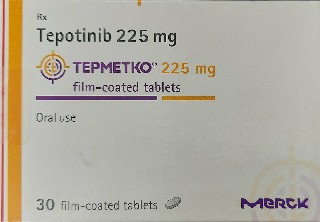
Some patients will experience mild to moderate side effects while taking Tepotinib, such as edema, fatigue, nausea, etc. These discomforts may cause patients to reduce the dosage or discontinue the drug on their own. Therefore, doctors should proactively explain possible side effects and countermeasures to patients, such as adjusting dosage, using symptomatic drugs, or regular follow-up reviews. At the same time, the understanding and assistance of family members are also particularly important, as they can provide patients with daily care and emotional comfort, help relieve anxiety, and enhance confidence in adhering to treatment.
The patient's psychological state has an important impact on treatment compliance. Being diagnosed with advanced lung cancer itself brings a great psychological impact, and taking medication for a long time may also cause feelings of powerlessness or resistance. At this time, psychological counseling and emotional support should be strengthened, including arranging psychological counseling for cancer, participating in mutual aid groups for patients, accepting positive encouragement from family members, etc., so that patients can feel that "you are not fighting alone." The medical team should maintain continuous communication with patients, detect mood swings in a timely manner, and provide professional guidance to help patients maintain a stable mental state and willingness to treat during the long-term treatment journey.
Reference materials:https://www.drugs.com/
[ 免责声明 ] 本页面内容来自公开渠道(如FDA官网、Drugs官网、原研药厂官网等),仅供持有医疗专业资质的人员用于医学药学研究参考,不构成任何治疗建议或药品推荐。所涉药品可能未在中国大陆获批上市,不适用于中国境内销售和使用。如需治疗,请咨询正规医疗机构。本站不提供药品销售或代购服务。


