
.jpeg)
The most common adverse reactions of ropagrastim/romigrastim treatment
Romiplostim/Romiplostim is a targeted drug commonly used in the clinical treatment of chronic immune thrombocytopenia (ITP). It simulates the action of thrombopoietin on the TPO receptor in the bone marrow, thereby increasing platelet output from the source. It is regarded as one of the more advanced treatment methods. However, like all biological agents, the use of romiplostim is also accompanied by certain adverse reactions. Some patients may have multiple physical reactions during the treatment process, which needs to be understood in advance and monitored and prevented.
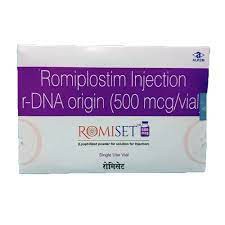
Headache is one of the most common adverse effects of romiplostim treatment. It may be related to rapid changes in platelets in the body or mild stimulation of the central nervous system by the drug. Although it is generally mild, if it occurs frequently or continuously, the doctor should be informed in time for dose adjustment. Secondly, there are skeletal and muscle-related symptoms, such as joint pain and muscle discomfort, which usually appear at the initial stage of medication or during the dosage adjustment stage. Most of them can be relieved by themselves, and analgesic intervention can be assisted when necessary.
Another type of adverse reaction that is more commonly reported is gastrointestinal symptoms, including nausea, mild bloating, or constipation. Most of these symptoms are temporary and have little impact on daily life, but it is still recommended to maintain a light diet during treatment to reduce gastrointestinal burden. Of particular note is the risk of thrombosis. Since drugs can significantly increase the number of platelets, if the increase is too rapid or reaches a supraphysiological level, it may increase blood viscosity and induce venous or arterial thrombosis. Prevention and monitoring should be strengthened, especially among high-risk groups.
In addition, long-term use of romigrastim may cause bone marrow structural changes and even mild fibrosis. Although most of these are reversible, peripheral blood and bone marrow status still need to be reviewed regularly to evaluate the tolerance of long-term use of the drug. Individual patients may also experience mild rash or injection site reaction, manifested as redness, swelling, fever, etc., which can usually be improved by adjusting the injection site.
Reference materials:https://en.wikipedia.org/wiki/Romiplostim
[ 免责声明 ] 本页面内容来自公开渠道(如FDA官网、Drugs官网、原研药厂官网等),仅供持有医疗专业资质的人员用于医学药学研究参考,不构成任何治疗建议或药品推荐。所涉药品可能未在中国大陆获批上市,不适用于中国境内销售和使用。如需治疗,请咨询正规医疗机构。本站不提供药品销售或代购服务。


