
.jpeg)
How long does it take for resistance to first-line osimertinib to develop?
Osimertinib/Tagrisso (Osimertinib), as the third generation EGFR-TKI targeted drug, is currently one of the first-line recommended drugs for the clinical treatment of EGFR mutated advanced non-small cell lung cancer (NSCLC). Compared with the first and second generation targeted drugs, it can not only effectively control common EGFR mutations, but also cross the blood-brain barrier and inhibit brain metastasis. Its efficacy and safety are better than traditional options. However, drug treatment is not a one-time solution. With the prolonged use, "acquired drug resistance" is a common clinical phenomenon.
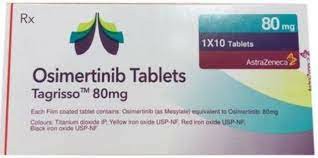
The emergence time of drug resistance varies between individuals. Generally speaking, patients using first-line osimertinib may begin to develop different forms of drug resistance around 18 months to 2 years after treatment However, some patients find that the efficacy declines after several months of use, suggesting the occurrence of earlier drug resistance. The mechanisms of drug resistance are diverse, including the formation of new EGFR mutation sites (such as C797S), activation of alternative pathways, and the transformation of tumor cells into other tissue types. The manifestations of drug resistance in some patients may be rebound in tumor volume, increase in tumor markers, or new signs of metastasis in the lesions.
In order to deal with the risk of drug resistance, patients' imaging progress and genetic mutations will be regularly monitored clinically. With the development of liquid biopsy technology, the detection of circulating tumor DNA in the blood provides a feasible solution for early identification of drug resistance. When it is determined that resistance has occurred, doctors will recommend the next treatment based on the patient's molecular classification, such as combination chemotherapy, trying other targeted drugs, or participating in clinical trials.
Therefore, for patients taking osimertinib, regular follow-up, genetic monitoring and sensitive detection of disease changes are the keys to delaying the progression of drug resistance and striving for longer-term remission. Faced with the inevitable problem of drug resistance, patients and doctors should maintain communication and dynamically adjust treatment strategies to improve overall survival and quality of life.
Reference materials:https://go.drugbank.com/drugs/DB09330
[ 免责声明 ] 本页面内容来自公开渠道(如FDA官网、Drugs官网、原研药厂官网等),仅供持有医疗专业资质的人员用于医学药学研究参考,不构成任何治疗建议或药品推荐。所涉药品可能未在中国大陆获批上市,不适用于中国境内销售和使用。如需治疗,请咨询正规医疗机构。本站不提供药品销售或代购服务。


