
.jpeg)
Analysis of Atrasentan Phase III Clinical Trial Effects and Data Results
Atrasentan (Atrasentan) is a selective endothelinA receptor antagonist, mainly developed for It is developed for the treatment of chronic kidney disease, especially proteinuria and renal function protection in patients with type 2 diabetes combined with chronic kidney disease (DKD). In multiple early studies, atrasentan has shown the potential to inhibit proteinuria and improve glomerular filtration function. In order to verify its long-term efficacy and safety, the key phase III clinical trial SONAR study was designed and implemented, which became an important basis for evaluating the therapeutic effect of atrasentan.
SONARStudy Of diabetic Nephropathy with Atrasentan (Atrasentan) is a global multi-center, randomized, double-blind, placebo-controlled Phase III clinical trial, enrolling approximately 2648 patients with type 2 diabetes and chronic kidney disease. In the trial design, all participants first received an "open screening period" treatment with atrasentan to observe their response to proteinuria and whether there were adverse reactions such as fluid retention. After that, patients who had a good response and good tolerance to the drug were screened out and entered into the randomized control phase. The primary endpoint was the incidence of worsening renal function (eg, significant decrease in eGFR, end-stage renal disease) or cardiovascular death.
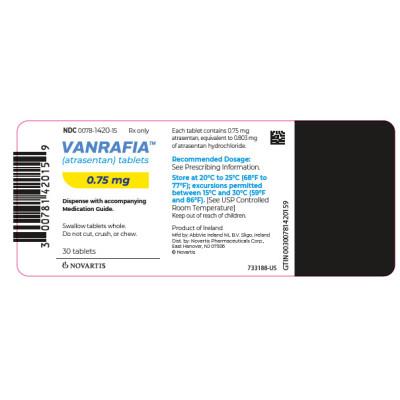
In the final results of the trial, the atrasentan group significantly reduced the risk of renal endpoint events compared with the placebo group, with a relative risk reduction of approximately 35%, showing that it has clear clinical significance in delaying the deterioration of renal function. At the same time, among the patients who were screened for tolerance to atrasentan, the incidence of side effects such as severe fluid retention and edema was significantly lower than that of the general population who were not screened, indicating that personalized medication strategies can help improve the balance between efficacy and safety. The sustained improvement in proteinuria also suggests that it can be a useful supplement to existing RAAS blockade treatments.
Although theSONAR study achieved positive results in terms of efficacy, atrasentan has not been widely approved globally due to warnings of increased risk of heart failure in early studies. Overall, atrasentan has significant renal protective effects in specific groups of people, but its clinical application still requires strict selection of patient groups and use under the premise of a complete monitoring mechanism. In the future, if combined with SGLT2 inhibitors or other new kidney disease drugs, it is expected to further optimize the treatment strategy for chronic kidney disease and improve patient prognosis.
Reference materials:https://www.drugs.com/
[ 免责声明 ] 本页面内容来自公开渠道(如FDA官网、Drugs官网、原研药厂官网等),仅供持有医疗专业资质的人员用于医学药学研究参考,不构成任何治疗建议或药品推荐。所涉药品可能未在中国大陆获批上市,不适用于中国境内销售和使用。如需治疗,请咨询正规医疗机构。本站不提供药品销售或代购服务。


