
.jpeg)
Is there a risk of disease relapse after stopping Vimseltinib?
Vimseltinib is an oral CSF1R (macrophage colony-stimulating factor 1 receptor) inhibitors, mainly used to treat tumor diseases driven by CSF1 such as pigmented villonodular synovitis (TGCT). It inhibits the activity of tumor-associated macrophages by blocking the CSF1R signaling pathway, thereby reducing tumor tissue growth and inflammatory response. Although clinical studies have shown that the drug has significant efficacy in controlling the disease, whether recurrence will occur after treatment is still a key concern of patients.
Based on current clinical data and medication experience, there is indeed a certain risk of relapse after discontinuation of vimsitinib. This is mainly because TGCT is a chronic, locally aggressive disease. Although Vimsetinib can significantly shrink lesions, relieve pain and improve joint function during treatment, the drug is not a "radical" treatment. After some patients stop taking the drug, due to the CSF1 signaling pathway becoming active again, the diseased tissue may re-grow and symptoms such as pain, swelling or limited activity may recur.
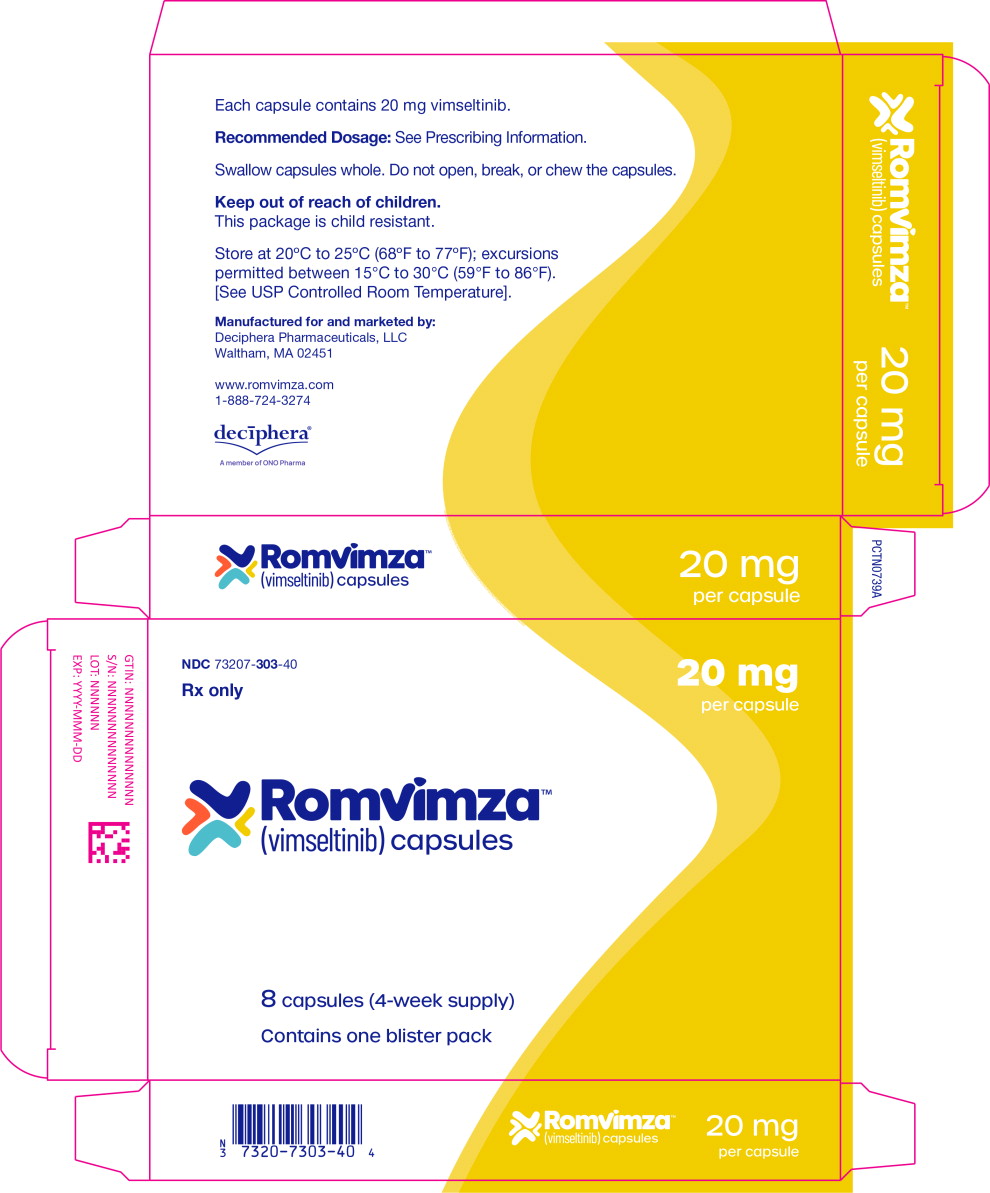
Studies have shown that vimsetinib can effectively control symptoms and lesion volume during continued treatment, but once the drug is discontinued, especially when treatment is stopped before complete remission or long-term stability is achieved, the recurrence rate is relatively high. Therefore, it is currently recommended that patients maintain a longer period of treatment under the evaluation of a doctor, and combined with changes in imaging and symptoms to determine whether it is appropriate to reduce the dose or discontinue the drug. Especially for patients with larger lesions or strong recurrences, drug discontinuation plans need to be carefully considered.
In general, although vimsetinib provides a new option for non-surgical treatment for TGCT patients, and its therapeutic effect is considerable, the risk of recurrence after discontinuation cannot be ignored. Patients should insist on regular follow-up visits during use and develop an individualized treatment plan under the guidance of a doctor. When considering stopping medication, it is important to conduct imaging evaluation, functional evaluation and recurrence risk assessment, and extend the maintenance treatment cycle if necessary to minimize the possibility of disease rebound and maintain long-term efficacy and quality of life.
Reference materials:https://www.drugs.com/
[ 免责声明 ] 本页面内容来自公开渠道(如FDA官网、Drugs官网、原研药厂官网等),仅供持有医疗专业资质的人员用于医学药学研究参考,不构成任何治疗建议或药品推荐。所涉药品可能未在中国大陆获批上市,不适用于中国境内销售和使用。如需治疗,请咨询正规医疗机构。本站不提供药品销售或代购服务。


