
.jpeg)
Comparison of therapeutic effects and side effects of Ensartinib
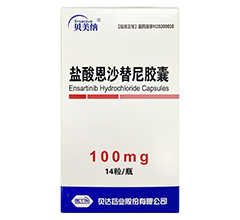
Ensartinib is a second-generation ALKtyrosine kinase inhibitor (TKI), mainly used to treat patients with ALK-positive non-small cell lung cancer (NSCLC). As a new generation of ALK inhibitors, ensartinib has a strong inhibitory effect on tumor cells driven by ALK gene rearrangement, and has shown good efficacy and relatively controllable safety in clinical practice. The following will comprehensively analyze and compare the therapeutic effects and side effects of ensartinib.
1. Performance of treatment effect
Ensartinib is a first-line and late-line treatment option for patients with ALKpositive advanced stage NSCLC . Its superior anti-tumor activity has been verified through multiple clinical trials. According to the ENSURE and ASCEND series of clinical trials, ensartinib has been shown to be effective in patients who have not received ALK< /span>Inhibitor-treated patients demonstrated significant objective response rates (ORR), approximately 70%-80%. Compared with the first-generation ALK inhibitor crizotinib (Crizotinib), ensartinib has better progression-free survival (PFS
In addition, ensartinib has good ability to control brain metastasis. Many ALKpositiveNSCLC patients will develop brain metastases during disease progression, and ensartinib can effectively penetrate the blood-brain barrier and reduce the risk of brain lesion progression. In clinical trials, the brain remission rate of patients with brain metastases using ensartinib reached approximately 60%, greatly improving the patient's prognosis.
2. Side effects and tolerance
The side effects of ensartinib are generally controllable, and it has certain advantages compared with other second-generation ALK inhibitors. Common adverse reactions include rash, gastrointestinal reactions (such as nausea, diarrhea), liver function abnormalities, and mild bone marrow suppression. Rash is the most common side effect, usually mild to moderate, and may be relieved by topical medications or oral antihistamines in some patients. Abnormal liver function requires regular monitoring, and if severe, the dose needs to be adjusted or medication suspended.
In contrast, ensartinib is less likely to cause serious cardiotoxicity and visual disturbances, which are common problems with some other ALK inhibitors. Myelosuppression is generally mild, and complications such as serious infection are rare. Overall, ensartinib is well tolerated and patients can take it long-term to maintain efficacy.
3. Comparison with otherALK inhibitors
In the selection of ALK inhibitors, ensartinib and other second- and third-generation ALK inhibitors such as alectinib (Alectini Compared with b), brigatinib (Brigatinib) and lorlatinib (Lorlatinib), it shows unique advantages and characteristics. Ensartinib performs particularly well in Asian patients. Some studies have shown that its efficacy in Chinese patients is better than that of crizotinib, and it is not inferior to aletinib in the prevention and control of brain metastases.
In terms of side effects, although lorlatinib has strong efficacy, its tolerability is not as good as ensartinib due to more central nervous system side effects. Brigatinib has a higher risk of pulmonary toxicity, while ensartinib has relatively mild pulmonary adverse reactions. Overall, ensartinib has become a powerful treatment option for ALK-positive NSCLC patients with its good balance of efficacy and safety.
4. Clinical application and future prospects
Ensartinib has been approved as a standard treatment drug for ALKpositive late stage NSCLC and is widely used in clinical practice. As more real-world data accumulates, its potential in the treatment of drug-resistant mutations, combination therapy, and early-stage lung cancer is gradually emerging. In the future, ensartinib is expected to be combined with immunotherapy, chemotherapy or other targeted drugs to achieve more comprehensive disease control.
In addition, the development of personalized treatment plans will promote the precise use of ensartinib, and flexibly adjust the dose and treatment strategy according to the patient's genetic background, tolerance and comorbidities to maximize the efficacy and reduce adverse reactions. In short, as a new generation of ALK inhibitors, ensartinib has become an important therapeutic weapon for ALKpositive NSCLC patients with its excellent efficacy and good safety profile, and has broad prospects for future development.
Reference materials:https://www.drugs.com/
[ 免责声明 ] 本页面内容来自公开渠道(如FDA官网、Drugs官网、原研药厂官网等),仅供持有医疗专业资质的人员用于医学药学研究参考,不构成任何治疗建议或药品推荐。所涉药品可能未在中国大陆获批上市,不适用于中国境内销售和使用。如需治疗,请咨询正规医疗机构。本站不提供药品销售或代购服务。


