
.jpeg)
Summary of precautions during use of datopotamab
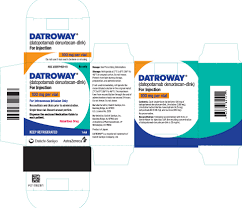
Datopotamab is an innovative antibody drug conjugate (ADC) that mainly targets the Trop-2 protein. It is suitable for the treatment of certain solid tumors, especially in the field of cancers such as non-small cell lung cancer (NSCLC). It shows good promise. As an emerging class of targeted therapy drugs, many aspects need to be paid attention to during the use of dabrotuzumab to ensure the therapeutic effect and patient safety. The following is a summary of precautions during the use of dabrotomab, covering aspects such as medication preparation, treatment monitoring, side effect management, and patient life guidance.
1. Preparation and evaluation before medication
Before starting to use dabrotuzumab, medical staff should conduct a comprehensive assessment of the patient to ensure that the patient meets the indications for use. Focus includes confirming Trop-2 expression in tumor tissue, as the drug's efficacy depends on Trop-2 expression. In addition, the patient's liver and kidney function, blood routine, and cardiopulmonary function need to be examined in detail to rule out contraindications such as severe organ dysfunction or severe infection.
The patient's past medication history, especially the history of targeted drugs, chemotherapy or immunotherapy, also needs to be understood in detail. Some patients may have a history of drug-related toxicity or allergies, which may affect the safety of dabrotuzumab. Based on this information, doctors should develop personalized treatment plans and fully communicate expected effects and potential risks with patients.
2. Key points of monitoring during treatment
During dabrotomab treatment, patients need to receive regular monitoring to detect and deal with adverse reactions in a timely manner. Hematological indicators such as white blood cells, platelets and hemoglobin should be tested regularly to prevent anemia, increased risk of infection and other problems caused by bone marrow suppression. At the same time, dynamic monitoring of liver and kidney functions cannot be ignored, because ADC drugs may cause liver and kidney toxicity.
In clinical trials and use, skin reactions (such as rash, itching), stomatitis and gastrointestinal discomfort are relatively common. Patients should report any discomfort, and doctors should adjust the dosage or provide symptomatic treatment according to the severity of symptoms. In addition, patients with pulmonary symptoms such as cough and dyspnea need to be highly vigilant and promptly check for the presence of interstitial lung disease or pneumonia, which are serious side effects that antibody drug conjugates may cause.
3. Prevention and management of side effects
Although dabrotuzumab targets tumor cells accurately, there is still a certain risk of side effects. For common skin reactions, patients should keep their skin clean and avoid using irritating skin care products. If necessary, doctors can prescribe topical steroid ointments or oral antihistamines to relieve itching and inflammation. Patients with stomatitis should maintain oral hygiene and avoid spicy and irritating foods. If necessary, gargles can be used as auxiliary treatment.
Gastrointestinal reactions such as nausea, vomiting, and diarrhea also need to be actively managed. Patients should pay attention to dietary adjustments and avoid greasy or difficult-to-digest foods. Doctors can give antiemetics or anti-diarrhoea drugs according to the situation. Regarding the risk of infection caused by myelosuppression, patients need to pay attention to preventing infection and seek medical attention promptly if signs of infection such as fever occur.
If serious side effects occur, such as interstitial lung disease and severe liver function abnormalities, the drug should be discontinued in time and corresponding supportive treatment should be given. In severe cases, hospitalization should be monitored. Overall, side effect management requires teamwork, with patients and medical staff working closely together to ensure early detection and early intervention.
4. Patients’ lifestyle and psychological support
The treatment cycle of dabrotomab is long, and patients need good lifestyle support during treatment. Adequate rest, a balanced diet, and moderate exercise can help build strength and immunity and reduce the risk of complications. Patients should avoid irritating factors such as tobacco and alcohol to reduce the burden on the liver and kidneys.
Mental health is equally important. Faced with the uncertainty and side effects of cancer treatment, patients may suffer from anxiety, depression and other emotions. The medical team should provide necessary psychological support and consultation services to help patients establish positive treatment confidence and life attitude. In addition, patients should maintain communication with their doctors, promptly reflect physical conditions and emotional changes, and maximize treatment effects.
As a cutting-edge antibody drug conjugate, dabrotuzumab brings new treatment hope to many patients with difficult-to-treat tumors. However, its use involves many aspects of precautions, including pre-medication assessment, treatment process monitoring, side effect management, and patient life guidance. Only through multidisciplinary collaboration and active cooperation with patients can we ensure the safety and efficacy of treatment to the greatest extent and improve the overall quality of life of patients. Both medical staff and patients should attach great importance to these precautions to ensure the smooth progress of dedabrotomab treatment.
Reference materials:https://www.drugs.com/
[ 免责声明 ] 本页面内容来自公开渠道(如FDA官网、Drugs官网、原研药厂官网等),仅供持有医疗专业资质的人员用于医学药学研究参考,不构成任何治疗建议或药品推荐。所涉药品可能未在中国大陆获批上市,不适用于中国境内销售和使用。如需治疗,请咨询正规医疗机构。本站不提供药品销售或代购服务。


