
.jpeg)
Study on the therapeutic effect of lapatinib combined with trastuzumab
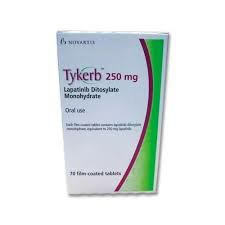
Lapatinib and trastuzumab (Trastuzumab) both target HER2 (human epithelial Targeted drugs for epidermal growth factor receptor 2)-positive breast cancer. They inhibit the HER2 signaling pathway through different mechanisms and prevent the growth and spread of tumor cells. In recent years, with an in-depth understanding of the biological characteristics of HER2-positive breast cancer, researchers have begun to explore the therapeutic potential of the combination of these two drugs in order to improve the efficacy in the treatment of drug-resistant or advanced cases. This article will systematically analyze the therapeutic effect of lapatinib combined with trastuzumab from the aspects of pharmacological mechanism, clinical research data, efficacy evaluation and practical application value.
1. Complementary pharmacological mechanisms: the basis of dualHER2 blockade
Trastuzumab is a humanized monoclonal antibody that mainly targets the extracellular structure of HER2 and prevents it from binding to ligands, thus inhibiting downstream signaling pathways (such as PI3K/A KT and MAPK pathways), and can exert immune killing effects through antibody-dependent cytotoxicity (ADCC). Lapatinib is an oral small molecule tyrosine kinase inhibitor that mainly acts on the intracellular tyrosine kinase activity of HER2 and EGFR, inhibiting signal cascade amplification.
Since trastuzumab mainly acts on the outside of HER2 and lapatinib acts on its inside, the combination of the two forms a "dual HER2 blocking" strategy, which can block HER2 signaling more comprehensively and avoid drug resistance problems caused by single-target inhibition. This mechanism theory provides a solid scientific basis for subsequent combination therapy research.
2. Key clinical research results: Combination efficacy is better than single drug
In clinical practice, multiple studies have verified the efficacy of lapatinib combined with trastuzumab in HER2 positive breast cancer. The most representative one is the EGF104900 study. This is a randomized, open-label, Phase III clinical study designed to evaluate the efficacy of lapatinib combined with trastuzumab compared with lapatinib alone in patients with metastatic HER2-positive breast cancer, with a particular focus on patients who have previously received trastuzumab but developed resistance.
The study results showed that the progression-free survival of the combination treatment group (PFS) and overall survival (OS) were both better than the single-drug group. Specifically, the median PFS was extended from 8.1 weeks in the single-agent group to 12 in the combination group. weeks or more, while the median overall survival was extended from 9.5 months to 14 months, showing obvious statistical and clinical significance. This study also confirmed that even if a patient has developed resistance to trastuzumab, its combination with lapatinib may still restore sensitivity, thereby prolonging survival.
3. Efficacy performance in special groups: good news for patients with brain metastasis
HER2Patients with positive breast cancer have a higher incidence of brain metastasis, and treatment is difficult. Traditional macromolecular antibodies such as trastuzumab have difficulty penetrating the blood-brain barrier, resulting in limited therapeutic effects. As a small molecule oral drug, lapatinib has strong central nervous system penetration ability.
Research shows that in patients with brain metastases, lapatinib combined with trastuzumab treatment can significantly shrink brain lesions, control central nervous system progression, and improve symptoms. For example, a study called LANDSCAPE showed that the intracranial response rate of lapatinib combined with capecitabine in patients with brain metastases from HER2-positive breast cancer was as high as 65%. If trastuzumab is added, the efficacy will be further improved. Therefore, the combination of lapatinib and trastuzumab has become a recommended treatment strategy in cases of brain metastases.
4. Safety and Side Effect Management
Although combination therapy improves efficacy, its safety issues also need to be paid attention to. Common side effects of lapatinib include diarrhea, rash, fatigue, abnormal liver function, etc., while trastuzumab may cause damage to cardiac function. When used together, these adverse reactions may be additive, so the patient's cardiac function, liver function and digestive system symptoms need to be closely monitored during use.
However, most adverse reactions are controllable or reversible and can be effectively managed through dose adjustment, supportive treatment, and regular review. In clinical practice, doctors will design individualized treatment plans based on the patient's age, underlying health condition, and disease stage to achieve a balance between optimal efficacy and minimal toxicity.
5. Practical application prospects and development trends
Currently, lapatinib combined with trastuzumab has been listed as one of the treatment options for patients with HER2-positive metastatic breast cancer (especially those who are resistant to trastuzumab or have brain metastases) in multiple treatment guidelines around the world. Although it has not been popularized as a first-line standard regimen in China, its application in second-line or third-line treatment is gradually increasing.
In the future, as anti-HER2 treatment strategies continue to evolve, such as ADC drugs (such as T-DM1T-DM1T-DM1 span>, DS-8201) and the introduction of immunotherapy, the combination of lapatinib and trastuzumab will still play an important role, especially in patients who are resistant to other treatments or have limited economic conditions. The advantages of this combination may also continue to expand research and application in diseases such as HER2 low expression of breast cancer and gastric cancer.
To sum up, the treatment strategy of lapatinib combined with trastuzumab provides a solution with longer lasting efficacy and more comprehensive control for patients with HER2 positive breast cancer. Its unique "dual target, internal and external synergy" mechanism not only prolongs the survival time of patients after standard treatment fails, but also shows significant efficacy in special groups such as patients with brain metastases. With the accumulation of more research data and enriched clinical experience, this combined treatment model will play a greater role in HER2positive breast cancer and other HER2 related tumors.
Reference materials:https://www.drugs.com/
[ 免责声明 ] 本页面内容来自公开渠道(如FDA官网、Drugs官网、原研药厂官网等),仅供持有医疗专业资质的人员用于医学药学研究参考,不构成任何治疗建议或药品推荐。所涉药品可能未在中国大陆获批上市,不适用于中国境内销售和使用。如需治疗,请咨询正规医疗机构。本站不提供药品销售或代购服务。


