
.jpeg)
Standard administration methods and precautions for pomalidomide
Pomalidomide (Pomalidomide) is an oral immunomodulator, mainly used to treat patients with relapsed and refractory multiple myeloma (Multiple Myeloma, MM). As a new generation of immunomodulatory drugs, pomalidomide achieves anti-cancer effects by regulating the immune system and inhibiting the growth of tumor cells. Correct taking method and reasonable medication management are of great significance to ensure the efficacy and reduce adverse reactions. This article will introduce in detail the standard taking method and medication precautions of pomalidomide to help patients treat it scientifically and safely.
1. Standard administration method of pomalidomide
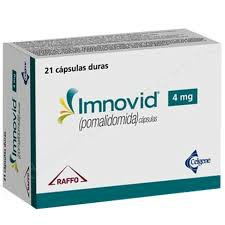
Pomalidomide is usually taken orally in capsule form, with a common strength of 4 mg. Standard dosage and medication regimens should be individually adjusted based on the patient's specific condition, stage of treatment, and physician guidance. The generally recommended initial dose is 4mg once a day for 21 days and then discontinued for 7 days, forming a 28 day treatment cycle. Patients should take their medications at the same time every day and avoid missing or repeating doses.
When taking the medicine, it is recommended to swallow the capsule whole with water. Do not chew, crush or open the capsule to avoid affecting the absorption and effect of the medicine. Pomalidomide can be taken with food or on an empty stomach, but to reduce gastrointestinal discomfort, it is recommended to take it after a meal. At the same time, patients should follow the doctor's recommendations for regular follow-up visits, adjust the dosage according to treatment response and side effects, and do not change the medication plan on their own.
2. Medication precautions and safety management
1.Prevent the risk of blood clots
Pomalidomide may increase the risk of thrombosis, especially when combined with corticosteroids such as dexamethasone. Patients need to pay attention to thrombosis prevention measures, such as avoiding long periods of bed rest or sitting still, maintaining moderate activities, and using anticoagulants under the guidance of a doctor when necessary. If you experience symptoms such as lower limb swelling, pain, or difficulty breathing, you should seek medical attention promptly.
2.Contraindicated for pregnant women and women of childbearing age
Pomalidomide is teratogenic and is contraindicated by pregnant women. Women of childbearing age should take effective contraceptive measures to avoid pregnancy while taking the drug. Contraception should be continued while taking the medicine and for a certain period of time after stopping the medicine. Please follow the doctor's advice for the specific time. In addition, the spouse of a male patient also needs to take contraceptive measures to prevent the drug from affecting the fetus through semen.
3.Monitor blood and liver and kidney functions regularly
While taking pomalidomide, patients need to undergo regular blood tests, liver and kidney function and other related tests to promptly detect and deal with possible adverse reactions such as bone marrow suppression and abnormal liver function. If serious blood abnormalities occur, the dose should be adjusted or the drug temporarily discontinued according to the doctor's advice.
4.Pay attention to drug interactions
Pomalidomide may interact with other drugs, such as immunosuppressants and anticoagulants, so caution is required when used together. Patients should inform their doctors of all medications and health care products they are using and avoid blindly adding or stopping medications on their own.
3. Common adverse reactions and treatments
Common adverse reactions of pomalidomide include fatigue, constipation, anemia, leukopenia, peripheral neuropathy, etc. Most side effects can be alleviated with supportive care and dose adjustment. Patients should pay close attention to physical changes and seek medical treatment promptly when obvious discomfort occurs. Constipation can be prevented by drinking more water, eating a reasonable diet and exercising moderately. Neuropathy symptoms need to be reported back in time to avoid aggravation.
4. Patient education and life guidance
Patients should maintain good living habits and a balanced diet while taking pomalidomide to avoid the risk of infection. It is recommended to quit smoking and drinking, maintain moderate exercise, and improve the body's immunity. Follow the doctor’s instructions for regular review to ensure safe and effective treatment. At the same time, patients and their families should understand the potential risks and correct use of drugs, enhance medication compliance, and ensure maximum efficacy.
In summary, pomalidomide is an effective drug for the treatment of multiple myeloma. Standardized administration and strict safety management are the keys to ensuring successful treatment. Patients should use medications rationally under the guidance of professional doctors, closely monitor adverse reactions, and actively cooperate with treatment and life adjustments to achieve long-term disease control and improvement in quality of life.
Reference materials:https://www.drugs.com/
[ 免责声明 ] 本页面内容来自公开渠道(如FDA官网、Drugs官网、原研药厂官网等),仅供持有医疗专业资质的人员用于医学药学研究参考,不构成任何治疗建议或药品推荐。所涉药品可能未在中国大陆获批上市,不适用于中国境内销售和使用。如需治疗,请咨询正规医疗机构。本站不提供药品销售或代购服务。


