
.jpeg)
Analysis of possible reasons why lapatinib is ineffective for breast cancer
Lapatinib is an oral small molecule tyrosine kinase inhibitor, mainly used for the treatment of HER2 positive breast cancer, especially for patients who are resistant to trastuzumab (Herceptin) treatment. However, in clinical practice, some patients fail to obtain the expected efficacy after using lapatinib, which may involve multiple complex mechanisms. First of all, one of the most common reasons for ineffectiveness is misjudgment of HER2 status or low expression levels. If the patient does not truly overexpress HER2 (IHC 3+ or FISH+), lapatinib, as a drug targeting the HER2 pathway, will have difficulty in exerting its effect.
Tumor heterogeneity and variations in the HER2 pathway will also affect the efficacy of lapatinib. Even if some breast cancer patients are HER2 positive, their tumors may also activate PI3K/AKT/mTOR and other downstream signaling pathways, causing them to bypass HER2 blockade and continue to grow, thus forming secondary drug resistance. In addition, some factors in the tumor microenvironment, such as growth-promoting factors released by cancer-associated fibroblasts (CAF), may also reduce the targeted inhibitory effect of lapatinib, making it difficult for the drug to effectively inhibit cancer cell proliferation.
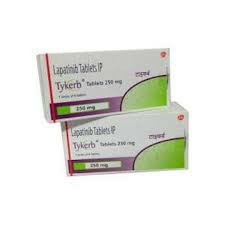
Differences in drug metabolism and absorption among individual patients may also contribute to poor efficacy of lapatinib. Lapatinib is metabolized through the CYP3A4 pathway. If patients are combined with CYP3A4 inducers (such as rifampin, phenobarbital) or inhibitors (such as ketoconazole), the plasma concentration will be significantly affected. At the same time, unreasonable medication methods (such as taking the drug on an empty stomach or interacting with certain foods) will also reduce the bioavailability of lapatinib, making it difficult to achieve effective inhibitory concentrations.
Long-term use of lapatinib may induceHER2 structural variation or phenotypic conversion, resulting in acquired resistance. Some breast cancer cells may downregulate HER2 expression during treatment, or even transform into a triple-negative breast cancer phenotype, resulting in extremely low efficacy of continued use of HER2 targeted drugs. In addition, some patients may be forced to reduce the dose due to liver function damage or adverse reactions, which indirectly affects the efficacy. Therefore, for patients who are ineffective on lapatinib treatment, it is necessary to make a comprehensive judgment based on multiple factors such as molecular typing, drug concentration detection, and drug resistance mechanism assessment, so that treatment strategies can be adjusted in a timely manner.
Reference materials:https://www.drugs.com/
[ 免责声明 ] 本页面内容来自公开渠道(如FDA官网、Drugs官网、原研药厂官网等),仅供持有医疗专业资质的人员用于医学药学研究参考,不构成任何治疗建议或药品推荐。所涉药品可能未在中国大陆获批上市,不适用于中国境内销售和使用。如需治疗,请咨询正规医疗机构。本站不提供药品销售或代购服务。


