
.jpeg)
Can pomalidomide cause severe myelosuppression?
Pomalidomide is an immunomodulatory agent commonly used to treat relapsed or refractory multiple myeloma, especially in patients who have failed treatments such as lenalidomide and bortezomib. Although its anti-tumor effect is significant, in clinical application, myelosuppression is one of its most common adverse reactions that requires the most attention. Myelosuppression is manifested as a decrease in the number of white blood cells, red blood cells or platelets, which may lead to serious consequences such as infection, anemia or bleeding, especially in patients who are elderly or have poor bone marrow reserve capacity after multiple lines of treatment.
According to a large number of clinical studies and post-marketing surveillance data, neutropenia (neutropenia) is the most common type of severe bone marrow suppression caused by pomalidomide, with an incidence rate of more than 50%. Among them, about 20% of patients may suffer from 3 grade or 4 severe granulocytopenia, which requires temporary discontinuation of medication, dose reduction, or the use of leukocyte-raising drugs (such as G-CSF) for intervention. In addition, some patients may also have febrile neutropenia, which increases the risk of infectious complications and should be particularly vigilant in clinical practice.
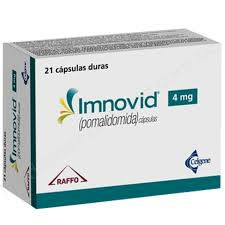
In addition to leukopenia, thrombocytopenia (thrombocytopenia) and anemia (anemia) are also common. Low platelets may cause skin bleeding, nosebleeds, and even severe internal bleeding, especially in patients who are taking anticoagulants or who are elderly and frail. Anemia will manifest as fatigue, shortness of breath, palpitations, etc. Hemoglobin levels need to be monitored regularly, and blood transfusions or erythropoietin drugs should be used if necessary. During long-term treatment, myelosuppressive reactions may accumulate and worsen, and the dose needs to be dynamically adjusted.
Therefore, during treatment with pomalidomide, doctors need to closely monitor the patient's complete blood count, review blood routine every week or every two weeks, and adjust the medication regimen according to the degree of suppression. At the same time, patients should also be aware of the early manifestations of bone marrow suppression, such as persistent fever, easy bruising, extreme fatigue, etc., and seek medical attention promptly if abnormalities occur. Under standardized management, adverse reactions in most patients are controllable and do not affect long-term medication effects.
Reference materials:https://www.drugs.com/
[ 免责声明 ] 本页面内容来自公开渠道(如FDA官网、Drugs官网、原研药厂官网等),仅供持有医疗专业资质的人员用于医学药学研究参考,不构成任何治疗建议或药品推荐。所涉药品可能未在中国大陆获批上市,不适用于中国境内销售和使用。如需治疗,请咨询正规医疗机构。本站不提供药品销售或代购服务。


