
.jpeg)
How long does a complete course of sunitinib last?
There is no fixed "upper limit" for the treatment cycle of Sunitinib. The length of treatment is highly dependent on the type of disease being treated, the individual differences of the patient, and the response to the drug. Under different indications, the dosage regimen and treatment duration of sunitinib are also slightly different.
Taking renal cell carcinoma (RCC) as an example, in locally advanced or metastatic RCC, sunitinib is usually used to continuously control the disease, using a 6-week treatment regimen of 4 weeks of medication and 2 weeks of rest. As long as the patient does not experience serious adverse reactions and the tumor is effectively controlled, doctors usually recommend continuous multiple cycles of treatment, and some patients may continue taking it for a year or even longer. If used as adjuvant treatment after surgery, a total of 9 cycles is recommended, which is approximately 54 weeks or 12 months, followed by a follow-up observation period.
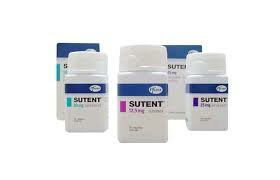
For patients with gastrointestinal stromal tumors (GIST), sunitinib is used as a second-line regimen after failure of imatinib therapy, and the treatment course is usually continued based on response evaluation. If the tumor is stable or shrinks, continue taking it periodically, and the course of treatment can be extended for months or even years until the disease progresses or becomes drug-resistant. For patients with pancreatic neuroendocrine tumors (pNET), the treatment goal is to delay tumor progression, so more emphasis is placed on long-term and stable use, usually 37.5mg of continuous daily medication, with no drug holiday, and the dose is adjusted according to tumor burden and side effect tolerance.
In general, sunitinib is not a short-term treatment plan that "stops after one course of treatment", but a dynamic evaluation process. The definition of a complete course of treatment is based on the premise of "achieving disease control goals" and is determined by combining individual drug resistance, toxic and side effects, and the patient's wishes. Therefore, many patients may undergo individualized treatment for 6 months, 1 year, or even longer under the guidance of doctors. During the cycle, blood, heart, liver and kidney functions should be closely monitored to detect potential risks in a timely manner to ensure the safety and effectiveness of long-term medication.
Reference materials:https://www.sutent.com/
[ 免责声明 ] 本页面内容来自公开渠道(如FDA官网、Drugs官网、原研药厂官网等),仅供持有医疗专业资质的人员用于医学药学研究参考,不构成任何治疗建议或药品推荐。所涉药品可能未在中国大陆获批上市,不适用于中国境内销售和使用。如需治疗,请咨询正规医疗机构。本站不提供药品销售或代购服务。


