
.jpeg)
Can osimertinib treatment be continued after resistance?
As the third generation EGFR-TKI, Osimertinib has been widely used in the targeted treatment of non-small cell lung cancer, especially for T790M mutation-positive patients or first-line EGFR mutation patients. However, even if the initial response is good, most patients may still develop acquired resistance after taking osimertinib for a period of time, leading to reduced efficacy or disease progression. Faced with the problem of drug resistance, whether osimertinib can continue to be used has become an important clinical issue that needs to be clarified urgently.
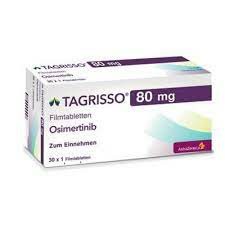
First of all,"Resistance" does not mean that the drug is completely ineffective, but that the tumor cells have evaded the inhibitory effect of the drug to some extent. Therefore, judging whether osimertinib should continue to be used depends on a clear mechanism of resistance. Current research shows that the resistance mechanisms of osimertinib can be divided into EGFR-dependent (such as C797S mutation) and non-EGFR-dependent (such as MET amplification, HER2 mutation, PIK3CA mutation, transdifferentiation, etc.). Some mechanisms may still retain sensitivity to osimertinib, especially when there are isomeric combinations of C797S mutations or tumor heterogeneity is obvious, continuing to maintain osimertinib therapy in combination with other drugs or local intervention may still have clinical significance.
In clinical practice, for drug-resistant cases that develop slowly and have limited progression (such as single focus progression, brain progression, etc.), the strategy of "osimertinib maintenance + local treatment" can be considered That is, osimertinib is not discontinued immediately, but local lesions are controlled in combination with stereotactic radiotherapy, radiofrequency ablation, or surgery, thereby maintaining the overall stability of systemic treatment.
Another key factor is"drug cross-sensitivity" and "post-resistance pathway assessment". After the emergence of some resistance mutations (such as C797S), some experimental drugs such as fourth-generation EGFR-TKI are in the development stage and are expected to solve the existing resistance problem of osimertinib. There are also studies trying to use a combination of MEK inhibitors, MET inhibitors or immunotherapy to reactivate the response to targeted therapy.
Reference materials:https://go.drugbank.com/drugs/DB09330
[ 免责声明 ] 本页面内容来自公开渠道(如FDA官网、Drugs官网、原研药厂官网等),仅供持有医疗专业资质的人员用于医学药学研究参考,不构成任何治疗建议或药品推荐。所涉药品可能未在中国大陆获批上市,不适用于中国境内销售和使用。如需治疗,请咨询正规医疗机构。本站不提供药品销售或代购服务。


