
.jpeg)
What is the clinical effect of eflornithine tablets?
As a new type of tumor maintenance treatment drug, eflornithine tablets (eflornithine) have attracted more and more attention for their clinical effects, especially in the treatment of high-risk neuroblastoma (HRNB). Unlike traditional cytotoxic drugs, eflornithine does not directly kill cancer cells. Instead, it blocks the polyamine biosynthesis pathway by inhibiting ornithine decarboxylase (ODC), a key metabolic enzyme, thereby interfering with the continued proliferation of tumor cells. This mechanism makes it a low-toxic, highly selective treatment option during the maintenance treatment phase, especially suitable for delaying disease recurrence and improving long-term survival rates.
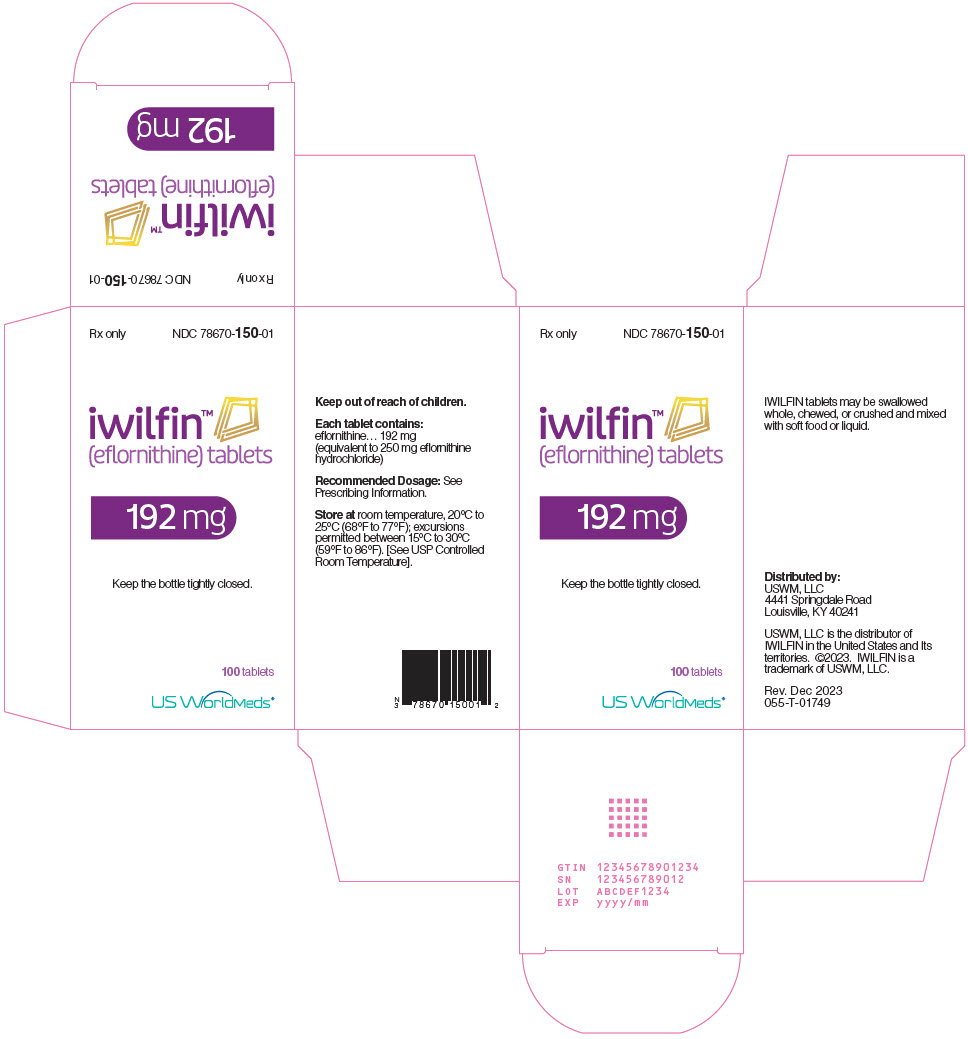
Clinical observations show that eflornithine can significantly prolong event-free survival (EFS) and overall survival (OS) in some patients who have received anti-GD2 immunotherapy, hematopoietic stem cell transplantation, and intensive chemotherapy. It is especially valuable for those patients who have been partially remitted or stabilized but still have minimal residual disease. Although such patients have achieved good control during the main treatment phase, immune system reconstruction, tumor microenvironment recovery, and activation of micrometastasis may still lead to late recurrence. The intervention effect of eflornithine is to "freeze" this potential risk period and control the potential activity of tumors from the metabolic level, which is a biological continuation strategy for the main treatment.
At present, international research on this drug is mainly concentrated in some children's cancer treatment centers in the United States, Canada and Europe. Most of the clinical projects are multi-center, open-label, long-term observational studies. Although large-scale phase III clinical results have not yet been formed, early data shows that it is extremely safe. The main adverse reactions are mild gastrointestinal discomfort, reversible leukopenia, etc., which are far lower than the toxic burden caused by traditional maintenance therapy. Its well-tolerated characteristics also create conditions for long-term medication, allowing patients to complete oral treatment in a home environment, improving compliance and quality of life.
Reference materials:https://www.drugs.com/mtm/eflornithine.html
[ 免责声明 ] 本页面内容来自公开渠道(如FDA官网、Drugs官网、原研药厂官网等),仅供持有医疗专业资质的人员用于医学药学研究参考,不构成任何治疗建议或药品推荐。所涉药品可能未在中国大陆获批上市,不适用于中国境内销售和使用。如需治疗,请咨询正规医疗机构。本站不提供药品销售或代购服务。


