
.jpeg)
Treatment of resistance to Zilucoplan
Zilucoplan (Zilucoplan), as a small molecule inhibitor targeting the C5 protein of the complement system, has good effects in most patients with myasthenia gravis (rare disease), but individual patients may develop drug resistance after long-term use. The so-called drug resistance usually means that after a period of continuous treatment, the patient's response to the drug gradually weakens, manifesting as a re-exacerbation of myasthenic symptoms or no obvious relief. Although there are currently no large-scale data showing that zeleptide will produce "resistance" in the classic sense, individual differences in response or secondary efficacy decline do exist in clinical practice.
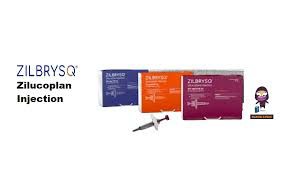
The treatment of "resistance" to zeleptide should first start with a clear diagnosis. It is necessary to rule out whether the patient's symptoms relapse due to poor medication compliance (such as missed injections, abnormal medication intervals) or natural fluctuations of the disease. In addition, during the long-term use of immunosuppressants or targeted drugs in some patients, the immune system may develop new pathway compensations, resulting in insufficient C5 inhibition. This mechanistic resistance requires comprehensive testing of immune function and complement activity.
The response strategy mainly includes three aspects: the first is to adjust the dosage or frequency. Some studies have shown that for some patients with large fluctuations in condition, short-term increased dosing frequency or extended treatment cycle can help restore the effect; the second is combined treatment, that is, using Ziluco On the basis of the plan, traditional immunosuppressants, such as methotrexate, cyclosporine, tacrolimus, etc., are added to enhance the immune regulatory effect; the third is alternative therapy. If true drug tolerance or treatment failure is diagnosed, other targeted therapies with different mechanisms can be turned to, such as FcRn inhibitors or B cell depletion therapy.
In addition, biologics may induce the production of anti-drug antibodies (ADA) related to drug resistance. This has not been reported much in Zilucoplan, but it is a theoretical risk. Therefore, detection of antibody production should also be considered when the efficacy decreases.
Reference materials:https://www.drugs.com/zilucoplan.html
[ 免责声明 ] 本页面内容来自公开渠道(如FDA官网、Drugs官网、原研药厂官网等),仅供持有医疗专业资质的人员用于医学药学研究参考,不构成任何治疗建议或药品推荐。所涉药品可能未在中国大陆获批上市,不适用于中国境内销售和使用。如需治疗,请咨询正规医疗机构。本站不提供药品销售或代购服务。


