
.jpeg)
How effective is infliximab?
Infliximab (Infliximab), as a TNF-α inhibitor, is widely used in the treatment of a variety of chronic autoimmune diseases. Its therapeutic effect has been fully verified in international clinical practice, especially in rheumatoid arthritis, psoriatic arthritis, ankylosing spondylitis, Crohn's disease (CD) and ulcerative colitis. Its mechanism is to selectively neutralize and inhibit the pro-inflammatory cytokine TNF-α, thereby regulating the immune system response, alleviating tissue inflammation, and delaying the progression of the disease.
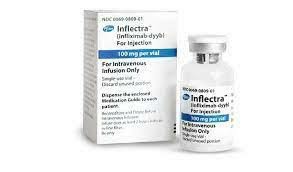
In the field of rheumatism and immunity, infliximab is the first TNF-α inhibitor proven to delay joint structural destruction. It is often used in combination with methotrexate and has a significant effect on improving morning stiffness, joint pain and mobility function. For patients with refractory rheumatoid arthritis, especially when traditional DMARDs (disease-modifying anti-rheumatic drugs) are ineffective, Infliximab can significantly improve the symptom relief rate, and some patients experience the benefits of inflammation control and joint function improvement in the early stages of use.
In digestive system diseases, such as moderate to severe Crohn's disease and ulcerative colitis, infliximab can quickly induce mucosal healing, relieve diarrhea and abdominal pain, and significantly reduce inflammatory indicators and reduce the rate of surgery. It is also one of the few biologics widely used in the treatment of Crohn's disease in children, which can delay disease progression and increase growth and development potential.
For dermatological indications, such as plaque psoriasis and psoriatic arthritis,Infliximab shows the advantage of rapid onset of action, a significant decrease in PASI scores, and can significantly improve the area of skin lesions and the degree of itching. Compared with other slow-acting drugs, its rapid control ability helps improve patient compliance and quality of life.
In terms of maintaining therapeutic response, infliximab is usually infused intravenously at planned intervals. Dosing regularity and concentration maintenance are key. Some patients may experience diminished efficacy after long-term use, which is related to the production of neutralizing antibodies, decreased blood concentration, or immune tolerance. At this time, doctors may consider adding immunosuppressants to reduce immunogenicity, or switching to other biological agents to adjust treatment strategies.
Reference materials:https://www.drugs.com/infliximab.html
[ 免责声明 ] 本页面内容来自公开渠道(如FDA官网、Drugs官网、原研药厂官网等),仅供持有医疗专业资质的人员用于医学药学研究参考,不构成任何治疗建议或药品推荐。所涉药品可能未在中国大陆获批上市,不适用于中国境内销售和使用。如需治疗,请咨询正规医疗机构。本站不提供药品销售或代购服务。


