
.jpeg)
What measures should be taken after side effects of lorlatinib?
Lorlatinib is a third-generation ALK (anaplastic lymphoma kinase) and ROS1< span>Tyrosine kinase inhibitors are mainly used to treat patients with ALK-positive or ROS1-positive non-small cell lung cancer. Although lorlatinib is effective in controlling tumor progression, its side effects are also common and diverse. Reasonable understanding and scientific response to these side effects are of great significance to ensure patient medication safety, improve quality of life, and maintain treatment effects. The following details the common side effects of lorlatinib and their countermeasures.
1. Common side effects and initial coping strategies
1. Central nervous system symptoms (such as cognitive impairment, mood changes, headache, drowsiness)
Lorlatinib often causes adverse reactions in the central nervous system due to its good brain penetration ability. Patients may experience memory loss, difficulty concentrating, mood swings, drowsiness, or anxiety. When encountering such symptoms, it is recommended that patients take adequate rest, avoid excessive fatigue, and reduce dangerous activities such as driving and operating machinery. If the symptoms are mild, you can continue to observe; if the symptoms worsen, you need to seek medical treatment in time, and the doctor may recommend suspending the medication or reducing the dosage.
2.Abnormal lipid metabolism (high cholesterol, high triglycerides)
Lorlatinib often causes elevated blood lipid levels and increases cardiovascular risk. Patients should monitor blood lipid indicators regularly. When abnormalities are found, diet control (low-fat, low-sugar diet) and increased exercise can be used to assist in adjustment. At the same time, doctors may prescribe statin lipid-lowering drugs for treatment based on specific circumstances. Patients should never stop taking medications on their own and should take lipid-lowering drugs as directed by their doctor.
3.Abnormal liver function
Some patients may experience elevated transaminases after taking lorlatinib. Regular testing of liver function is necessary. If there is obvious liver function abnormality, the doctor may recommend suspending the medication and then adjust the dose to continue treatment after the indicators recover. At the same time, patients should avoid drinking alcohol and using other hepatotoxic drugs.
4.Gastrointestinal reactions (nausea, vomiting, diarrhea, constipation)
Gastrointestinal side effects are common, and patients can take measures such as eating small amounts at multiple times and avoiding greasy and spicy foods to alleviate them. When severe nausea or diarrhea occurs, antiemetics or antidiarrheals can be used under the guidance of a doctor. Maintain fluid intake to prevent dehydration.
2. Treatment measures for serious side effects
1.Serious neurological adverse reactions
If the patient develops confusion, severe mental disorder, epileptic seizure, etc., he should stop taking the medicine immediately and seek medical treatment. Hospitalization for observation and symptomatic treatment may be required. The doctor will decide whether to resume medication and the dose based on the severity of symptoms.
2.Severe liver damage or liver failure
When jaundice, obvious fatigue, darkened urine, etc. indicate severe damage to liver function, the drug should be stopped urgently and a comprehensive liver function assessment and supportive treatment should be performed.
3.Cardiotoxicity
Although rarely, lorlatinib may causeQT prolongation or other cardiac arrhythmias. Patients should undergo regular electrocardiograms. If abnormalities are found, the doctor will adjust the dose or suspend the medication.
3. Medication dosage adjustment and medication discontinuation suggestions
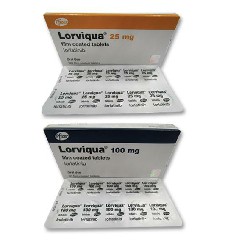
Lorlatinib is usually taken once daily, and the recommended dose is 100 mg. However, based on the patient's tolerance, doctors can adjust the dose to 75mg or lower, or even temporarily stop taking the drug to alleviate side effects. Patients are not allowed to adjust the dosage or stop taking the medicine on their own and must follow the doctor's advice.
After the side effects are relieved, the doctor will gradually resume the dose to ensure a balance between therapeutic effect and safety. For patients with repeated severe side effects, the risks and benefits of continuing to use lorlatinib need to be weighed, and other treatment options should be considered if necessary.
4. Patient lifestyle and follow-up management suggestions
1.Regular follow-up and monitoring
Patients should return to the clinic on time and undergo regular hematology, liver and kidney function, blood lipid and electrocardiogram examinations to detect and deal with potential problems in a timely manner.
2.Reasonable diet and living habits
Avoid high-fat and high-sugar diets, control your weight, maintain moderate exercise, and improve your body's immunity. Avoid drinking alcohol and taking medications that may worsen liver damage.
3.Psychological support and social support
Long-term medication use and side effects may have a negative psychological impact on patients. Family members and the medical team should provide support and care, and arrange psychological counseling when necessary.
Lorlatinib is an effective targeted drug for first-line or late-line treatmentALK/ROS1positive non-small cell lung cancer. Reasonable management of side effects is the key to successful treatment. Through scientific side effect monitoring, timely symptomatic treatment, reasonable dosage adjustment and healthy lifestyle cooperation, patients can maximize the survival benefits brought by drugs and improve their quality of life. Patients should maintain good communication with their doctors to ensure that every step of treatment is safe and effective.
Reference materials:https://www.drugs.com/
[ 免责声明 ] 本页面内容来自公开渠道(如FDA官网、Drugs官网、原研药厂官网等),仅供持有医疗专业资质的人员用于医学药学研究参考,不构成任何治疗建议或药品推荐。所涉药品可能未在中国大陆获批上市,不适用于中国境内销售和使用。如需治疗,请咨询正规医疗机构。本站不提供药品销售或代购服务。


