
.jpeg)
What are the common side effects after using Datopotamab?
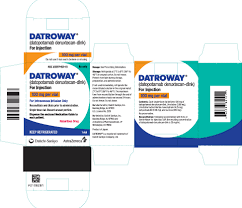
Datopotamab deruxtecan (Dato-DXd for short) is a new type of antibody drug conjugate (ADC) developed by Daiichi Sankyo was jointly developed with AstraZeneca and mainly targets the TROP2 protein. The drug has shown potential in a variety of solid tumors such as advanced non-small cell lung cancer and triple-negative breast cancer. However, like other ADC drugs, dedabrotomab is also associated with certain side effects, especially requiring close monitoring and management during use.
The most common adverse reactions are gastrointestinal symptoms, such as nausea, vomiting, loss of appetite and diarrhea. These side effects are more frequent in clinical trials and are systemic toxicity caused by the drug-released topoisomerase I inhibitor (DXd). Patients are particularly prone to these reactions in the early stages of treatment, which can generally be effectively alleviated through supportive treatment (such as antiemetics, fluid rehydration, and diet adjustment). Most of them are Grade 1~2.
Stomatitis (mouth ulcers) is another common side effect that occurs more frequently with Datopotamab treatment. Patients often present with oral pain, redness and swelling, and difficulty swallowing. In severe cases, eating and speaking are affected. Patients are advised to rinse their mouth with a mouthwash, avoid irritating foods, and use topical treatments such as dexamethasone-containing mouthwash under the guidance of a doctor to relieve symptoms and prevent infection.
Interstitial lung disease/Pneumonia (ILD) is a serious adverse event that requires focused monitoring. Although the incidence is relatively low, it can be life-threatening when it occurs. Patients should pay attention to monitoring abnormal respiratory symptoms such as dyspnea, dry cough, fever, etc. If the above symptoms occur, the drug should be stopped immediately and treated with glucocorticoids. This side effect is one of the more specific risks of ADC drugs, especially among Asian populations.
Myelosuppressive adverse reactions also require attention, such as neutropenia, anemia, and thrombocytopenia. These reactions may lead to an increased risk of infection or bleeding tendency, so routine blood tests need to be checked regularly during treatment. Some patients may need to delay administration, adjust dosage, or use leukocyte-raising drugs (such as G-CSF) for symptomatic treatment.
In general, most of the side effects of dabrotomab can be predicted and managed. The key lies in early identification and timely intervention. Reasonable supportive treatment and follow-up will help patients complete the treatment course safely and effectively.
Reference materials:https://www.drugs.com/
[ 免责声明 ] 本页面内容来自公开渠道(如FDA官网、Drugs官网、原研药厂官网等),仅供持有医疗专业资质的人员用于医学药学研究参考,不构成任何治疗建议或药品推荐。所涉药品可能未在中国大陆获批上市,不适用于中国境内销售和使用。如需治疗,请咨询正规医疗机构。本站不提供药品销售或代购服务。


