
.jpeg)
What are the side effects of Ensartinib and how to relieve them?
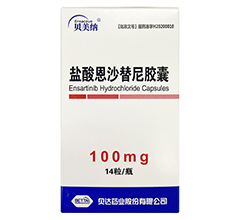
Ensartinib (Ensartinib) is a second-generation ALKtyrosine kinase inhibitor (ALK-TKI
1. Common side effects of ensartinib
According to clinical trials (such as the eXalt3 study) and real-world data, the common side effects of ensartinib are mainly concentrated in the skin, liver, gastrointestinal tract and nervous system, and the severity is mostly mild to moderate. Here are the main categories of side effects:
1.Skin side effects (rash, itching, dryness)
One of the most common adverse reactions of ensartinib is rash, especially within the first 12 weeks of taking the drug. Some patients also experience itchy, flaky or dry skin. Most of these skin reactions are grade 12. Although they are not life-threatening, they can affect comfort and drug resistance.
2.Abnormal liver function
Some patients may experience elevated transaminases (ALT, AST) or elevated bilirubin during medication. Most are reversible mild to moderate increases, but individual patients may develop hepatotoxicity grade 3 or above, which requires close monitoring.
3.Gastrointestinal symptoms (nausea, diarrhea, loss of appetite)
Ensartinib may cause mild nausea, vomiting, loss of appetite, or diarrhea. These symptoms are more obvious at the beginning of taking the drug, but in most patients, they gradually subside as the body adapts to the drug.
4.Nervous system symptoms (headache, dizziness)
A small number of patients may experience headache or mild dizziness while taking the medication. Such symptoms are generally transient in nature and do not require special treatment.
5.Photosensitivity and phototoxicity reactions
Ensartinib may also cause photosensitivity reactions, such as skin redness, blisters, or pigmentation after exposure to the sun. Patients who are more sensitive to light need to pay more attention to sun protection.
2. Mitigation and management of side effects
In response to the above adverse reactions, reasonable prevention and symptomatic treatment can significantly improve patients' medication compliance and quality of life. Here are suggestions for mitigating common side effects:
1.Measures to deal with skin discomfort
In the early stage of treatment, low-intensity topical corticosteroids (such as mometasone furoate) or anti-allergic drugs (such as loratadine) can be used to control the rash;
Avoid using irritating toiletries and keep your skin moist;
If the rash affects quality of life or develops into a severe skin reaction, consider briefly discontinuing the drug or adjusting the dose.
2.Liver function monitoring and regulation
It is recommended to monitor liver function every 2 weeks during the initial period of medication, especially ALT, AST, ALP and total bilirubin;
If liver enzymes are mildly or moderately elevated, medication can be continued and followed up closely;
If liver function abnormalities of Grade 3 or above occur, you should consider suspending the medication, and after recovery, adjust the dosage or change the treatment plan according to the doctor's advice.
3.Management of gastrointestinal reactions
In terms of diet, greasy, cold, and spicy foods should be avoided, and small meals should be taken in frequent meals;
Antiemetic drugs (such as olanzapine) can be used when nausea is severe;
Patients with diarrhea can use montmorillonite powder or loperamide for symptomatic treatment;
Pay attention to hydration and electrolyte balance to prevent dehydration.
4.Headache, dizziness and other mild neurological symptoms
In most cases, no special treatment is required and can be relieved by resting and improving sleep quality;
If symptoms persist or significantly affect your life, it is recommended to communicate with your doctor whether drug intervention is needed or to rule out other causes such as intracranial metastasis.
5.Prevention of photosensitivity reactions
It is necessary to strengthen sun protection on a daily basis, avoid exposure to strong sunlight, and use physical sunshade and SPF30 or above sunscreen;
For mild sunburn, you can use aloe vera gel, vitaminE cream, etc. externally;
In severe cases, it is recommended to suspend outdoor activities or adjust the dosage.
3. Ensartinib dosage adjustment and discontinuation recommendations
The recommended standard dose of ensartinib is 225mgonce a day, but when side effects affect the quality of life or exceed Grade 3 toxicity, doctors may recommend reducing it to 200mg or 175mg. For adverse reactions such as rash and elevated liver enzymes, clinical practice can use the "pause--resumption" strategy, which means stopping the drug for a short period of time to observe whether the side effects are relieved, and then decide whether to resume the full dose or reduce the dose to continue treatment.
The decision to discontinue medication should be based on the doctor's comprehensive assessment, including the severity of the patient's adverse reactions, tumor control, and whether there are other alternative treatment options. Do not stop taking the medicine or change the dose on your own to avoid affecting the therapeutic effect or risking the development of drug resistance.
4. Summary and patient suggestions
In general, ensartinib, as a first- or second-line treatment for ALK positive lung cancer, has generally controllable side effects, most of which are mild to moderate, and fatal toxicity is rare. By identifying side effects early, establishing good monitoring mechanisms, and timely intervention, most patients can successfully complete long-term treatment.
For patients taking ensartinib, blood routine, liver and kidney function, electrolytes and electrocardiogram should be reviewed regularly, and at the same time, they should proactively communicate with their doctors about any discomfort during medication. Reasonable arrangement of lifestyle, scientific diet and psychological adjustment are also important links in improving treatment tolerance. As medical institutions improve their experience in managing the side effects of targeted drugs, patients' overall quality of life is expected to improve even further.
Reference materials:https://www.drugs.com/
[ 免责声明 ] 本页面内容来自公开渠道(如FDA官网、Drugs官网、原研药厂官网等),仅供持有医疗专业资质的人员用于医学药学研究参考,不构成任何治疗建议或药品推荐。所涉药品可能未在中国大陆获批上市,不适用于中国境内销售和使用。如需治疗,请咨询正规医疗机构。本站不提供药品销售或代购服务。


