
.jpeg)
How is the therapeutic effect of lapatinib clinically evaluated?
Lapatinib is an oral small molecule tyrosine kinase inhibitor that mainly targets HER2 and EGFR receptors. It is widely used to treat patients with HER2-positive breast cancer, especially those who are resistant to or relapse to traditional treatments. Clinically, the therapeutic effect of lapatinib has always been the focus of attention in the field of breast cancer. This article will provide an in-depth analysis of its efficacy and clinical evaluation from multiple dimensions.
First of all, from the perspective of monotherapy, lapatinib shows certain anti-tumor activity in patients with HER2 positive advanced or metastatic breast cancer. Multiple clinical trials have shown that lapatinib can significantly inhibit the proliferation and growth of tumor cells and delay disease progression. Especially in patients who have previously used trastuzumab (trastuzumab) and developed resistance, lapatinib monotherapy can still bring a certain effect, improve progression-free survival (PFS), and provide patients with new treatment options.
Secondly, the efficacy of lapatinib is more significant when combined with other drugs. The most classic combination is lapatinib combined with the chemotherapy drug capecitabine (capecitabine). Clinical studies have shown that this combination regimen can significantly extend the progression-free survival of patients and improve the objective response rate (ORR) compared with capecitabine alone. In addition, combined use of drugs can partially overcome the tumor's resistance to a single drug and improve the therapeutic effect. Therefore, in clinical practice, lapatinib plus capecitabine has become one of the important options for the treatment of refractory HER2-positive breast cancer.
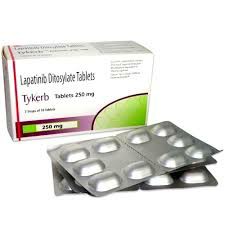
Thirdly, the efficacy of lapatinib in patients with brain metastases has also attracted much attention. HER2Patients with positive breast cancer have a higher incidence of brain metastasis, and many traditional macromolecule targeted drugs are difficult to effectively penetrate the blood-brain barrier. As a small molecule tyrosine kinase inhibitor, lapatinib can cross the blood-brain barrier to a certain extent and inhibit the growth of metastatic lesions in the brain. Some studies have shown that lapatinib has a better local control rate in patients with brain metastases, delays the progression of brain lesions, and improves quality of life, making it an effective choice for the treatment of these patients.
Finally, clinical evaluation also needs to consider the safety and tolerability of lapatinib. Although lapatinib is generally well tolerated, common side effects include diarrhea, rash, abnormal liver function, etc., and some patients may experience cardiotoxicity. Appropriate management of side effects and regular monitoring are crucial. When formulating a treatment plan, doctors should weigh efficacy and safety based on the patient's specific conditions and choose the most suitable medication plan.
In summary, lapatinib is effective in treating HER2It has shown good efficacy in positive breast cancer, especially in patients with combination therapy and brain metastasis. Verified by multiple clinical trials and real-world data, lapatinib has become an indispensable and important targeted drug in the treatment of breast cancer. In the future, with the deepening of more clinical studies, the scope of indications and medication strategies of lapatinib are expected to be further optimized, bringing more treatment hope to patients.
Reference materials:https://www.drugs.com/
[ 免责声明 ] 本页面内容来自公开渠道(如FDA官网、Drugs官网、原研药厂官网等),仅供持有医疗专业资质的人员用于医学药学研究参考,不构成任何治疗建议或药品推荐。所涉药品可能未在中国大陆获批上市,不适用于中国境内销售和使用。如需治疗,请咨询正规医疗机构。本站不提供药品销售或代购服务。


