
.jpeg)
Description of the main efficacy and clinical therapeutic effects of filgotinib
Filgotinib (Filgotinib) is an oral selective Janus kinase 1 (JAK1) inhibitor. It belongs to a new generation of small molecule targeted drugs and is mainly used to treat various autoimmune and inflammatory diseases. It regulates the immune response by precisely inhibiting the signaling pathway mediated by JAK1, thereby reducing inflammation and alleviating symptoms. Filgotinib has received widespread attention and application in the field of rheumatology and immunity in recent years due to its high selectivity and good safety profile.
First of all, the main efficacy of filgotinib is reflected in the treatment of moderately to severely active rheumatoid arthritis (RA). RA is a chronic systemic autoimmune disease characterized by persistent inflammation and destruction of joints, seriously affecting the patient's quality of life. By inhibiting JAK1, filgotinib blocks the signaling of pro-inflammatory cytokines, reduces the release of inflammatory mediators, effectively relieves joint pain, swelling and stiffness, and improves joint function. Multiple clinical trials have shown that filgotinib can significantly improve patients' response rate and quality of life when used in combination with traditional disease-modifying antirheumatic drugs (DMARDs) or as monotherapy.
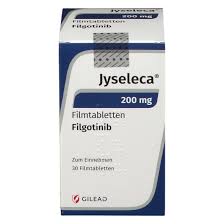
Secondly, the therapeutic effect of filgotinib in inflammatory bowel disease (IBD), including Crohn's disease and ulcerative colitis, is also highly anticipated. The pathogenesis of IBD involves abnormal activation of the immune system and the massive secretion of pro-inflammatory cytokines. Figotinib reduces intestinal inflammatory response and promotes mucosal healing by regulating JAK1 signaling. Clinical studies have shown that filgotinib can induce clinical remission and mucosal healing in IBD patients with relatively low side effects, making it an important new option in the treatment of IBD.
Third, filgotinib has obvious safety advantages. As a highly selective JAK1 inhibitor, filgotinib has less impact on JAK2, JAK3 and other kinases, reducing the risks of bone marrow suppression, infection and other factors associated with traditional JAK inhibitors. Clinical data show that filgotinib maintains good tolerance during long-term treatment, and patients have a low probability of serious adverse reactions, which improves patients' medication compliance.
Finally, filgotinib is actively expanding its indications. In addition to rheumatoid arthritis and inflammatory bowel disease, clinical trials are also underway for other autoimmune diseases such as ankylosing spondylitis, psoriatic arthritis, and others. As more clinical data accumulates, filgotinib is expected to become a multifunctional drug in the field of immunomodulatory treatment, providing effective treatment options for more patients.
In summary, filgotinib has become an important emerging drug for the treatment of autoimmune and inflammatory diseases due to its advantages of strong selectivity, significant efficacy and good safety. In the future, with the deepening of research and the expansion of clinical application, filgotinib will play a greater role in the field of immunotherapy and benefit more patients.
Reference materials:https://www.drugs.com/
xa0
[ 免责声明 ] 本页面内容来自公开渠道(如FDA官网、Drugs官网、原研药厂官网等),仅供持有医疗专业资质的人员用于医学药学研究参考,不构成任何治疗建议或药品推荐。所涉药品可能未在中国大陆获批上市,不适用于中国境内销售和使用。如需治疗,请咨询正规医疗机构。本站不提供药品销售或代购服务。


