
.jpeg)
Introduction to contraindications and unsuitable groups for Telisotuzumab
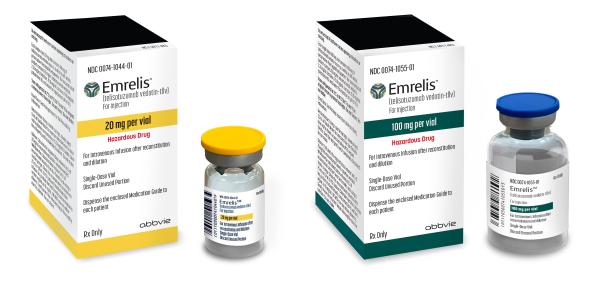
Telisotuzumab (Telisotuzumab, possibly branded as Teliso-V) is a drug that targets c-Met (stromal - Epithelial transforming factor receptor) antibody-conjugated drugs (ADC) are mainly used to treat c-Met positive non-small cell lung cancer (NSCLC) and other malignant tumors. As an innovative type of ADC drug, it combines the targeting ability of monoclonal antibodies and the killing power of cytotoxicity, showing promising efficacy in the treatment of advanced tumors. However, like other targeted drugs, terituzumab is not suitable for all people. Some patients are not suitable for using this drug due to underlying diseases, accompanying symptoms, or physiological conditions. The following will introduce in detail the contraindications and unsuitable groups of Telisotuzumab to help patients better evaluate the safety of the drug.
1. It is prohibited for those who are allergic or have severe reactions to drug ingredients.
Any patient with known hypersensitivity to terituzumab or any of its components (including antibody structures or conjugated toxin components) is contraindicated in using this drug. ADC drugs usually contain toxin molecules (such as cytotoxic antibiotics, microtubule inhibitors, etc.). Once a patient has severe allergic reactions to these ingredients, such as rash, laryngeal edema, dyspnea, anaphylactic shock, etc., repeated exposure may cause more serious reactions that are life-threatening. Therefore, patients must be asked about their allergic history in detail before use, especially those with biological agents or antibody drugs.
2. c-MetIt is not recommended to use if the expression is negative or has not been tested
Territuzumab specifically targets c-Met protein-positive tumors, and its anti-tumor effect is highly dependent on the expression of the target. If the tumor tissue does not express or only expresses c-Met at a low level, its treatment response rate will be significantly reduced or even ineffective. Therefore, this drug is not recommended for patients who have not been tested for c-Met or who are negative for c-Met. It is recommended to use immunohistochemistry (IHC) or other molecular pathology methods to clarify the c-Met expression level of the patient's tumor tissue before treatment to guide whether to enter the treatment plan.
3. People with severe lung disease or previous interstitial lung disease should use with caution
Toxins in ADC drugs may cause drug-related lung injury (such as interstitial pneumonia, pulmonary fibrosis), and territuzumab also has the risk of inducing such lung toxicity. There have been reports in clinical studies that some patients developed interstitial lung disease manifestations such as dry cough, shortness of breath, and alveolar infiltration. If the patient has previously suffered from chronic lung disease, active pulmonary tuberculosis, severe COPD or interstitial pneumonia, this drug should be used with special caution, and lung function should be evaluated and closely monitored if necessary. Once respiratory symptoms progress, timely imaging evaluation should be performed and drug discontinuation should be considered.
4. People with severe liver and kidney dysfunction should not use it.
Territuzumab is mainly metabolized by the liver and excreted in bile. At the same time, its toxin components may have certain toxicity to liver cells and renal tubules. Therefore, for patients with severe liver dysfunction (such as Child-Pugh C grade), ALT/AST or significantly elevated total bilirubin, the use of the drug may lead to exacerbation of hepatotoxicity. Similarly, in patients with severe renal insufficiency or dialysis, due to obstruction of drug clearance in the body, drugs may accumulate to toxic concentrations, increasing the risk of serious side effects. In these populations, risks should be weighed against benefits, treatment should be delayed or replaced if necessary, and dose adjustments should be individualized.
5. Contraindicated for pregnant and lactating women
Territuzumab is a cytotoxic anti-cancer drug. Its toxins are destructive to rapidly dividing cells and pose a potential teratogenic risk to embryos and fetuses. Therefore, it is contraindicated for use by pregnant women, and lactating women should also suspend breastfeeding and avoid contact with this drug. During treatment and for at least 3 to 6 months after stopping the drug, effective contraceptive measures should be taken to prevent the fetus from being irreversibly damaged by the drug. For patients who are planning to have children, the risks should be fully communicated with their doctor before treatment.
6. People with low immune function or severe infections should use with caution
ADC drugs may affect the body's immune function, and some patients may experience leukopenia, immunosuppression, etc. If the patient is complicated by active infection (such as pneumonia, urinary tract infection, sepsis) or is in an immunosuppressed state (such as receiving immunosuppressants, after transplantation), the use of terituzumab may further increase the risk of infection or mask the symptoms of infection. Therefore, use must be considered after infection control is stable, and changes in infection indicators must be closely observed during treatment.
Territuzumab, as a new type of targeted ADC drug, brings breakthrough hope in the treatment of certain c-Met positive tumors, but it is not suitable for all patients. Its contraindications include: those who are allergic to drug ingredients, c-Met negative patients, pregnant and lactating women, those with severe liver and kidney dysfunction, patients with active lung disease, and those with low immune function or severe infection. During clinical application, the population should be strictly screened, adverse reactions should be monitored, and personalized treatment plans should be formulated under the guidance of a multidisciplinary team to ensure the safety and benefits of treatment to the greatest extent. As the clinical data of this drug continues to accumulate, more precise medication guidelines may be released in the future to provide patients with a clearer basis for use.
Reference materials:https://www.drugs.com/
[ 免责声明 ] 本页面内容来自公开渠道(如FDA官网、Drugs官网、原研药厂官网等),仅供持有医疗专业资质的人员用于医学药学研究参考,不构成任何治疗建议或药品推荐。所涉药品可能未在中国大陆获批上市,不适用于中国境内销售和使用。如需治疗,请咨询正规医疗机构。本站不提供药品销售或代购服务。


