
.jpeg)
Is Atrasentan effective in treating diabetic nephropathy?
Atrasentan (Atrasentan) is a selective endothelinA (ETA) receptor antagonist, its main function is to block the binding of endothelin-1 to the ETA receptor, thereby reducing vasoconstriction, inflammation and fibrosis. In recent years, the potential of atrasentan in the treatment of diabetic nephropathy (especially chronic kidney disease related to type 2 diabetes) has gradually been valued, especially in reducing proteinuria and delaying the deterioration of renal function.
A number of clinical studies, such as the SONAR study (Study Of diabetic Nephropathy with Atrasentan), have shown that atrasentan has a significant effect in reducing the urinary protein excretion rate. In patients with type 2 diabetic nephropathy treated with atrasentan, proteinuria levels were significantly reduced, which is considered an important marker in the treatment of diabetic nephropathy to delay the deterioration of renal function. In addition, studies have also found that atrasentan can improve the stability of the glomerular filtration barrier, thereby inhibiting protein leakage and having a good renal protective effect.
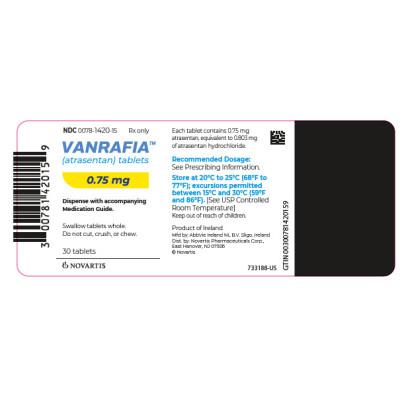
In addition to improving proteinuria, atrasentan also exerts an indirect protective effect on diabetic nephropathy by inhibiting inflammation and reducing renal fibrosis. ETAThe receptor is overactivated in a hyperglycemic environment and can induce glomerulosclerosis, interstitial fibrosis, and tubular damage. By targeting this signaling pathway, atrasentan can significantly reduce the levels of pro-inflammatory cytokines and delay pathological renal tissue remodeling. This makes it a useful addition to traditional RAAS blockade treatments.
However, the use of atrasentan still requires attention to potential side effects such as fluid retention, edema, and cardiac dysfunction, which should be carefully evaluated especially in people at high risk for heart failure. Overall, atrasentan has significant clinical effects in reducing proteinuria and protecting renal function. It is especially suitable for diabetic nephropathy patients with persistently high proteinuria and ineffective traditional treatments. It is expected to become one of the new treatment options for such patients in the future.
Reference materials:https://www.drugs.com/
[ 免责声明 ] 本页面内容来自公开渠道(如FDA官网、Drugs官网、原研药厂官网等),仅供持有医疗专业资质的人员用于医学药学研究参考,不构成任何治疗建议或药品推荐。所涉药品可能未在中国大陆获批上市,不适用于中国境内销售和使用。如需治疗,请咨询正规医疗机构。本站不提供药品销售或代购服务。


