
.jpeg)
Does Vimseltinib have a significant impact on liver or kidney function?
Vimseltinib (Vimseltinib) is an oral small molecule CSF1R (colony-stimulating factor 1 receptor) inhibitors, mainly used to treat diffuse tenosynovial giant cell tumor (TGCT) and other diseases related to abnormalities in the CSF1R signaling pathway. Since its mechanism of action targets macrophage-related cytokine pathways rather than directly affecting hepatocytes or renal tubular cells, the overall direct toxicity of the drug to liver and kidney function is low, but it is still necessary to pay attention to its potential metabolic burden and individual differences in responses.
In clinical studies, most patients treated with vimsetinib did not experience severe liver or renal impairment. However, some patients may experience mild to moderate elevations in transaminases (such as ALT, AST) or mild creatinine elevations during treatment. Most of these changes are reversible and can recover spontaneously after stopping the drug or adjusting the dose, and rarely develop into clinically significant hepatitis or renal failure. Therefore, the effects of vimsetinib on hepatic and renal function are generally considered to be mild and manageable.
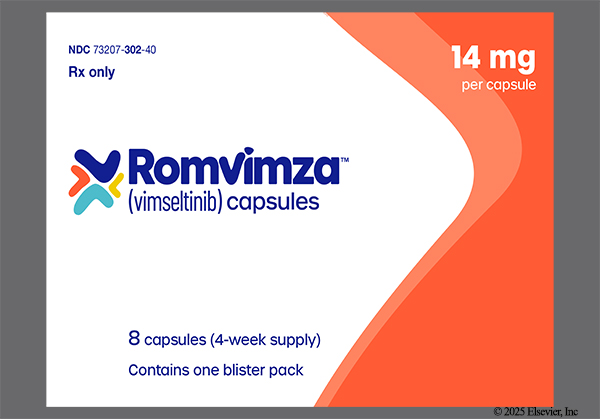
Although the overall safety profile of vimsetinib is good, it should be used with caution in patients with underlying liver disease (such as hepatitis B, fatty liver disease) or chronic kidney disease. It is recommended to conduct a baseline liver and kidney function assessment before starting medication, and to regularly review indicators such as liver enzymes, bilirubin, creatinine, and urea nitrogen during treatment to detect abnormalities in a timely manner. If a significant increase occurs, suspension of medication or dose reduction should be considered, and whether it is related to vimsetinib should be evaluated.
In summary, vimsetinib has little impact on liver and kidney function in most patients, but monitoring and management are still required based on individual circumstances. Doctors should formulate personalized medication and monitoring strategies based on the patient's underlying disease, risks of combined medication, and laboratory changes during treatment to maximize the safety and efficacy of treatment. As more real-world data accumulates, its safety in special populations will become clearer.
Reference materials:https://www.drugs.com/
[ 免责声明 ] 本页面内容来自公开渠道(如FDA官网、Drugs官网、原研药厂官网等),仅供持有医疗专业资质的人员用于医学药学研究参考,不构成任何治疗建议或药品推荐。所涉药品可能未在中国大陆获批上市,不适用于中国境内销售和使用。如需治疗,请咨询正规医疗机构。本站不提供药品销售或代购服务。


