
.jpeg)
Will the disease relapse soon after stopping Cosibelimab?
Cosibelimab (Cosibelimab) is a new type of immune checkpoint inhibitor that targets PD-L1 (programmed death ligand 1). It is used to treat various types of malignant tumors, especially some cancers that are resistant to or relapsed with traditional treatments (such as cutaneous squamous cell carcinoma, non-small cell lung cancer, etc.). It blocks the binding of PD-L1 and PD-1 and activates the T cell immune response, allowing the patient's own immune system to recognize and eliminate tumor cells. Although cosibelimab has shown good tolerability and efficacy in treatment, whether it will relapse rapidly after discontinuation of treatment is still an important issue that many patients are concerned about.
Whether and the speed of recurrence are closely related to the individual's condition, immune status and treatment response. Some patients can achieve a state of "lasting remission" after receiving immunotherapy, and their condition can remain stable for a long time even after stopping the drug. Such patients usually stop taking medication after the tumor burden decreases significantly during treatment and the immune system obtains "memory activation." For patients whose disease control is not ideal or who still have minimal residual disease, once the drug is stopped, the tumor may progress again in a short period of time.
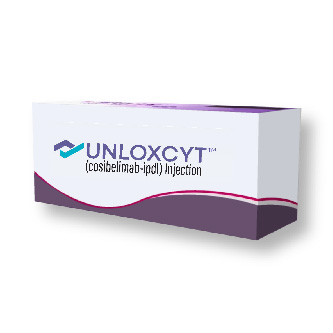
Clinical data suggest that the duration of immunotherapy should be dynamically adjusted based on patient response assessment. Some patients may consider discontinuing cosibelimab after taking it for more than one year, especially if they achieve complete remission (CR) or sustained partial remission (PR). For such patients, even if they relapse later, they may be able to regain control by restarting immunotherapy. However, if the drug is stopped early or on one's own initiative, the efficacy may be interrupted or the disease may rebound rapidly.
Not all patients will relapse rapidly after stopping cosibelimab, but their condition needs to be monitored closely. It is recommended that patients should continue to undergo regular follow-up examinations after discontinuation of medication, including imaging evaluation and tumor marker detection, in order to promptly detect potential recurrence trends and intervene early. In addition, some studies have pointed out that for some patients with high-risk factors, taking "maintenance immunotherapy" or "extended treatment cycle" may help delay recurrence.
Reference materials:https://www.drugs.com/
[ 免责声明 ] 本页面内容来自公开渠道(如FDA官网、Drugs官网、原研药厂官网等),仅供持有医疗专业资质的人员用于医学药学研究参考,不构成任何治疗建议或药品推荐。所涉药品可能未在中国大陆获批上市,不适用于中国境内销售和使用。如需治疗,请咨询正规医疗机构。本站不提供药品销售或代购服务。


