
.jpeg)
How to deal with common adverse reactions of Zenocutuzumab
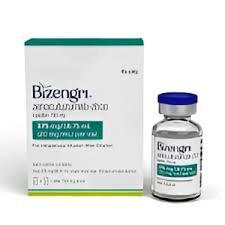
Zenocutuzumab is a new bispecific antibody drug mainly used to treat solid tumors carrying NRG1 (Neuregulin 1) fusion genes, such as pancreatic cancer, non-small cell lung cancer, biliary tract cancer, etc. This targeted therapy drug effectively blocks NRG1 fusion-driven tumor signaling pathways by simultaneously binding to HER2 and HER3 receptors. It is considered to be a highly potential precision treatment for NRG1 fusion cancers. However, just like most targeted drugs, while exerting anti-tumor effects, zetolizumab may also cause a series of adverse reactions. If not handled properly, it may affect patient treatment compliance and efficacy. The following will introduce in detail the common adverse reactions of zetolizumab and how to deal with them, to help patients use the drug scientifically and treat it safely.
1. Skin-related adverse reactions (rash, itching, dryness)
Skin adverse reactions are a common side effect of drugs targeting HER family receptors, including rash, itching, dry skin and scaling. Because Zeltolizumab acts on HER2/HER3 signals at the same time, some patients will experience mild to moderate skin discomfort, which is common in the early stages of medication.
Countermeasures:
Before starting medication, it is recommended to use mild and non-irritating moisturizers, such as petroleum jelly, urea cream, etc., to help reduce dryness and broken skin.
When a mild rash occurs, low-intensity topical corticosteroid cream (such as hydrocortisone ointment) can be used to relieve inflammation.
If the itching is severe, oral antihistamines (such as loratadine, cetirizine) can be used.
Severe skin reactions (such as extensive rash, blisters, etc.) should be treated with medical attention immediately. If necessary, the drug should be temporarily discontinued and treated under the guidance of a dermatologist.
2. Gastrointestinal reactions (nausea, diarrhea, loss of appetite)
Some patients may experience gastrointestinal reactions such as nausea, diarrhea, and decreased appetite during treatment with zetolizumab. Most of these reactions are mild to moderate side effects that are controllable, but long-term or repeated attacks will affect the patient's nutritional status and physical recovery.
Countermeasures:
For mild nausea, you can take small frequent meals, a light diet, and avoid greasy and irritating foods; at the same time, use antiemetics (such as osetron, metoclopramide).
Patients with diarrhea should replenish water and electrolytes, and eat a diet that is easy to digest, such as porridge, noodles, bananas, etc. Use antidiarrheal medications (such as loperamide) to control symptoms if necessary.
If diarrhea persists, it is necessary to evaluate whether there is dehydration, electrolyte imbalance, or secondary infection, and adjust the dosage if necessary.
3. Fatigue and fatigue
Fatigue is one of the most common and subjective adverse reactions in anti-cancer treatment. Some patients taking zetolizumab have also reported varying degrees of physical decline and fatigue. Although these side effects are not serious, they have a greater impact on quality of life.
Countermeasures:
Ensure a good work and rest schedule, take appropriate lunch breaks, and avoid overexertion.
Strengthen nutritional support and consume high-protein and high-calorie diets, such as fish, eggs, lean meat, etc.
If anemia or other metabolic disorders are the underlying cause of fatigue, targeted intervention should be carried out, such as iron supplementation, vitamin supplementationB12 or erythropoiesis-stimulating therapy.
Moderate exercise (such as walking, Tai Chi) can also have a positive effect on improving physical fitness and energy status.
4. Infusion-related reactions (fever, chills, allergies)
As an injectable biological agent, zetolizumab may cause infusion-related reactions (IRR) during intravenous administration, including fever, chills, respiratory discomfort, rash, etc., especially during the first infusion, the risk is higher.
Countermeasures:
Routine pretreatment before administration may include antihistamines (e.g., diphenhydramine) and antipyretics (e.g., acetaminophen) to reduce the risk of infusion reactions.
The infusion speed should be adjusted gradually, starting from a low speed, and then gradually speeding up after observing tolerance.
Once a reaction occurs, immediately suspend the infusion and treat the symptoms; consider restarting the infusion after the symptoms are relieved.
If an allergic reaction occurs, treatment should be terminated immediately, emergency treatment such as epinephrine should be given, and whether to permanently discontinue the drug should be evaluated.
5. Abnormal laboratory indicators (elevated transaminases, decreased leukocytes)
Some patients develop liver function abnormalities (such as ALT, AST increases) or blood system changes (such as neutropenia, anemia, etc.) during medication. Although most are mild to moderate and relatively reversible, regular monitoring is still required to prevent serious complications.
Countermeasures:
Conduct liver function and blood routine tests every 2 to 4 weeks, and adjust the treatment plan based on the values.
If transaminases are elevated above normal5 times, you should consider suspending the medication or reducing the dose, combined with liver-protecting drugs (such as glycyrrhizic acid preparations).
For patients with severe blood cell abnormalities, short-term support with white-scented drugs or erythropoietin drugs may be considered.
Zetolizumab, as an innovative drug for the treatment ofNRG1 fusion tumors, provides patients with new hope, but the management of its adverse reactions cannot be ignored. Patients should receive a comprehensive assessment before treatment and be monitored regularly during treatment, pay close attention to body reactions, and proactively communicate with doctors to achieve "early detection, early intervention, and early adjustment." Scientific side effect management can not only improve treatment compliance and tolerance, but also maximize the therapeutic potential of zetolizumab and improve patients' quality of life and prognosis.
Reference materials:https://www.drugs.com/
[ 免责声明 ] 本页面内容来自公开渠道(如FDA官网、Drugs官网、原研药厂官网等),仅供持有医疗专业资质的人员用于医学药学研究参考,不构成任何治疗建议或药品推荐。所涉药品可能未在中国大陆获批上市,不适用于中国境内销售和使用。如需治疗,请咨询正规医疗机构。本站不提供药品销售或代购服务。


