
.jpeg)
Efficacy of Upadacitinib in the treatment of psoriasis and patient feedback
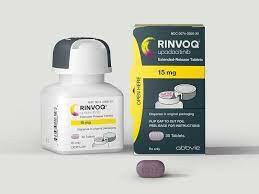
Upadacitinib, as a selective JAK1 inhibitor, has shown significant efficacy in the treatment of psoriasis (especially moderate to severe plaque psoriasis) in recent years, and has gradually become a new targeted treatment option of clinical concern. Psoriasis is a chronic inflammatory skin disease, mainly characterized by erythema, scales and itching, which seriously affects the patient's quality of life. With the deepening understanding of the immune regulatory mechanism, the JAK-STAT signaling pathway is considered to be a key link in the pathogenesis of psoriasis. Upadatinib precisely blocks the JAK1 kinase in this pathway, effectively inhibiting the release of inflammatory factors and abnormal activation of immune cells, thereby improving skin lesions and symptoms.
Efficacy performance of upadatinib
Clinical studies have shown that upadatinib has rapid and long-lasting effects in the treatment of psoriasis. Multiple phase III randomized controlled trials (such as the SELECT-PsO1 and SELECT-PsO2 studies) have shown that patients treated with upadatinib experienced significant improvement in skin symptoms within 12 weeks. More than 70%of patients achieved PASI75 (Psoriasis Area and Severity Index Reductionafter 12 weeks of treatment span>75%), and some patients even reached PASI90 or even PASI100, showing near-complete remission. Compared with traditional systemic treatments or other biological agents, the oral administration of upadatinib is more convenient and has significant efficacy. It is suitable for patients who are not adaptable to injections or who prefer oral drugs.
In addition, upadatinib also performs well in improving arthritis symptoms in patients with psoriasis-related arthritis (PsA), reducing pain and swelling and improving patients' mobility. Its dual-targeting effect on skin and joints gives it unique advantages in patient groups with complex comorbidities.
Patient feedback
Most patients have positive experiences with upadacitinib. Due to the characteristics of its oral formulation, patients do not need frequent hospital visits for injections, and treatment compliance is high. Many patients report that after taking the medicine, skin itching is significantly reduced, erythema and scales gradually subside, and the appearance improvement brings a significant improvement in psychological and social confidence. In addition, the relief of joint symptoms also helps some patients restore their daily functions and improve their quality of life.
However, some patients have also reported minor side effects, such as upper respiratory tract infection, headache, nausea, and mild liver function abnormalities. Most side effects are mild and tolerable, and in a few cases dose adjustment or temporary discontinuation is required. Patients generally believe that as long as adverse reactions are regularly monitored and adverse reactions are reasonably managed under the guidance of a doctor, the benefits of upadatinib treatment far outweigh the risks.
Treatment considerations and future prospects
Although upadatinib is highly effective, a comprehensive assessment is required before treatment, including infection risk, liver and kidney function, and potential comorbidities. Because of their immunosuppressive properties, patients should avoid live vaccines during treatment and watch closely for signs of infection. Regular monitoring of blood and biochemical indicators is crucial to ensure medication safety.
In the future, with the accumulation of more long-term follow-up data, upadatinib's position in the treatment of psoriasis will become more stable. Research on its combination with other targeted drugs or personalized treatment options is also being actively carried out, striving to provide more precise and effective treatment options for different patient groups. As its indications continue to expand, upadatinib is expected to become an important tool in the management of psoriasis and even other immune-mediated diseases.
In short, upadatinib has become an effective treatment option for patients with psoriasis, especially those with moderate to severe disease, due to its efficient JAK1 selective inhibition and good clinical efficacy. Positive feedback from patients and clinical research results jointly support its safety and therapeutic value. In future clinical practice, the rational use of upadatinib will help more patients improve their condition and improve their quality of life.
Reference materials:https://www.drugs.com/
[ 免责声明 ] 本页面内容来自公开渠道(如FDA官网、Drugs官网、原研药厂官网等),仅供持有医疗专业资质的人员用于医学药学研究参考,不构成任何治疗建议或药品推荐。所涉药品可能未在中国大陆获批上市,不适用于中国境内销售和使用。如需治疗,请咨询正规医疗机构。本站不提供药品销售或代购服务。


