
.jpeg)
What are the common side effects of lorlatinib and how to deal with them
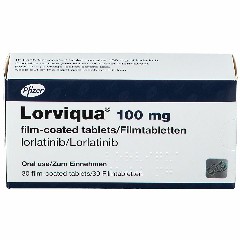
Lorlatinib (Lolatinib) is a third-generation ALKtyrosine kinase inhibitor (TKI), specifically used to treat ALK
1. Central nervous system side effects
Performance: A unique and prominent side effect of lorlatinib is symptoms related to the central nervous system. Some patients may experience symptoms such as cognitive impairment, slow speech, mood swings, forgetfulness, drowsiness, depression and even hallucinations in the early stages of medication. These symptoms usually appear within the first few weeks after taking the drug, and some are transient and some may persist.
Treatment suggestions: If mild cognitive or emotional abnormalities occur, patients should report to the doctor in time, and the dose can be reduced for observation if necessary; for moderate to severe neurological adverse reactions, it is necessary to consider suspending the medication or changing the treatment plan. Patients with a history of depression, epilepsy, or encephalopathy should be evaluated by a neurologist before using lorlatinib, and preventive medication may be considered for some patients.
2. Dyslipidemia
Performance: One of the common and frequent adverse reactions of lorlatinib is the increase in blood lipids, which mainly includes significant increases in total cholesterol, low-density lipoprotein (LDL-C) and triglyceride (TG) levels. Clinical data shows that up to more than 80% of patients will develop varying degrees of dyslipidemia during use, and some of them require intervention.
Treatment suggestions: Blood lipid indicators should be measured regularly (at least once a month) before and during the use of lorlatinib. If patients have elevated blood lipids, they can use lipid-lowering drugs, such as statins or fibrates, under the guidance of a doctor. At the same time, patients are advised to control their diet, reduce high-fat intake, and develop the habit of regular exercise. For uncontrolled severe dyslipidemia, lorlatinib dose adjustment may be necessary.
3. Edema and weight gain
Performance: Some patients may experience lower limb edema, facial edema, rapid weight gain, etc. while taking lorlatinib. These manifestations may be related to the effects of drugs on vascular permeability and body fluid retention.
Treatment suggestions: Mild edema usually does not require special treatment. You only need to pay attention to a light diet, reduce salt intake, and appropriately elevate the lower limbs to promote circulation. For moderate to severe edema, diuretic treatment needs to be considered, and other causes such as abnormal heart and kidney function must be ruled out. Rapid weight gain should also raise alarm to rule out water retention caused by changes in hormone levels or heart failure. If necessary, it can be evaluated whether the dose needs to be adjusted or the drug should be temporarily discontinued.
4. Abnormal liver function
Performance: Some patients develop symptoms of liver function damage such as elevated transaminases and elevated bilirubin while taking lorlatinib, especially when other metabolic drugs are used in combination. More attention is needed.
Treatment recommendations: It is recommended to regularly monitor liver function during treatment, such as ALT, AST, ALP and bilirubin. Mild liver enzyme elevations usually do not require dose adjustment and can continue to be observed; moderate or severe liver injury requires consideration of dose reduction or drug discontinuation, and intervention with liver-protective drugs. Patients with liver disease or hepatitis B carriers should undergo a comprehensive evaluation and have their viral load monitored before use.
5. Gastrointestinal discomfort
Manifestations: including nausea, diarrhea, constipation, loss of appetite, etc., which are particularly obvious in some patients at the initial stage of medication. Although most of these side effects are mild to moderate, if they persist, they may affect the patient's nutritional status and compliance.
Treatment suggestions: Mild gastrointestinal discomfort can be improved through dietary adjustments (such as small and frequent meals, low-fat and easily digestible foods). In severe cases, antiemetics, antidiarrheals and other auxiliary treatments can be used under the guidance of a doctor. Ensure adequate fluid intake and regularly monitor electrolyte levels to prevent dehydration or electrolyte imbalance.
6. ElectrocardiogramQTInterval prolongation
Performance:QTInterval prolongation is one of the common potential cardiotoxicities of TKI drugs. Although it is less common with lorlatinib, it cannot be ignored. SevereQT prolongation may induce arrhythmias.
Treatment suggestions: It is recommended to conduct an electrocardiogram before taking the drug to determine whether there is underlying QT interval prolongation. People with heart disease or who are using other drugs that prolong QT need to be cautious. During treatment, electrocardiogram and electrolytes (such as potassium and magnesium) should be monitored regularly, and medication or dosage should be adjusted if necessary.
7. Other rare side effects
In addition, lorlatinib may also cause adverse reactions such as rash, dry skin, blurred vision, joint pain, etc. Most of them are mild symptoms, and patients can treat them symptomatically under the guidance of a doctor without affecting continued treatment.
Lorlatinib, as a third-generation ALK inhibitor, is ALKpositiveNSCLCIt has brought breakthrough treatment options to patients, especially in overcoming drug resistance and controlling brain metastasis. However, its side effects spectrum is relatively wide, and multiple systems ranging from the central nervous system to metabolism, digestion, and heart may be affected. In clinical application, doctors should conduct a comprehensive assessment before medication, formulate an individualized treatment plan, strengthen follow-up monitoring during treatment, and promptly identify and deal with side effects, so as to ensure the treatment effect while maximizing patient safety and quality of life. Patients should also actively cooperate, conduct regular reviews and truthfully report discomfort symptoms to achieve the best treatment results.
Reference materials:https://www.drugs.com/
[ 免责声明 ] 本页面内容来自公开渠道(如FDA官网、Drugs官网、原研药厂官网等),仅供持有医疗专业资质的人员用于医学药学研究参考,不构成任何治疗建议或药品推荐。所涉药品可能未在中国大陆获批上市,不适用于中国境内销售和使用。如需治疗,请咨询正规医疗机构。本站不提供药品销售或代购服务。


