
.jpeg)
Scientific analysis of whether baricitinib is a biological agent
Baricitinib (Chinese name is also often written as baricitinib) is an oral small molecule targeted drug, mainly used to treat immune-related diseases such as rheumatoid arthritis, atopic dermatitis, and severe COVID-19. It regulates the immune response by inhibiting the JAK1 and JAK2 (Janus kinase) signaling pathways, thereby achieving anti-inflammatory and immunomodulatory effects. Although its effect is similar to that of many biological agents and it has immune regulation function, from the perspective of drug structure and preparation method, baricitinib is not a biological agent, but a small molecule chemically synthesized drug.
Biological agents usually refer to macromolecular protein drugs produced through bioengineering techniques (such as genetic recombination, cell culture, protein expression, etc.), such as monoclonal antibodies (such as adalimumab), fusion proteins or vaccines, etc. This type of drug has a large molecular weight and complex structure, so it cannot be administered orally and generally needs to be injected. Baricitinib is a low molecular weight compound with a clear molecular structure that can be synthesized by chemical methods and has good oral bioavailability. These characteristics indicate that it is classified as a small molecule targeted drug rather than a biological drug.
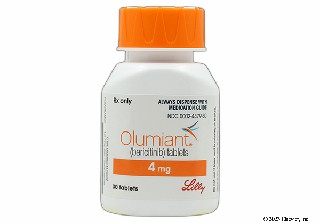
Although baricitinib is not a biological agent, its clinical functions are highly overlapping with some biological agents. For example, when treating moderate to severe rheumatoid arthritis, baricitinib can replace or be combined with anti-TNFα biological agents, such as etanercept, adalimumab, etc., to achieve the effect of inhibiting arthritis activity. In the anti-inflammatory treatment of severe COVID-19, baricitinib also exhibits anti-inflammatory and immunomodulatory functions similar to biological agents such as IL-6 antagonists. Therefore, although they are classified as small molecule drugs, their clinical positioning can complement or replace biological agents.
In summary, baricitinib is not a biological agent, but an oral small moleculeJAK inhibitor. Its structure is derived from chemical synthesis and is significantly different from traditional protein biologics. However, in the treatment of immune diseases, its immunomodulatory mechanism and clinical application effects are highly similar to biological agents, and it is an important part of modern precision immunotherapy. Patients and clinicians should clearly understand the nature of the drug when using it so that treatment plans and drug combinations can be arranged more rationally.
Reference materials:https://www.drugs.com/
[ 免责声明 ] 本页面内容来自公开渠道(如FDA官网、Drugs官网、原研药厂官网等),仅供持有医疗专业资质的人员用于医学药学研究参考,不构成任何治疗建议或药品推荐。所涉药品可能未在中国大陆获批上市,不适用于中国境内销售和使用。如需治疗,请咨询正规医疗机构。本站不提供药品销售或代购服务。


