
.jpeg)
How long should I take Imatinib before I can consider stopping it?
Imatinib/Gleevec (Imatinib) has played a revolutionary role in the treatment of chronic myelogenous leukemia (CML), and one of the questions that patients are most concerned about is the time of taking the drug: Should it be taken for life? Can the medication be stopped safely? In fact, the medication cycle of imatinib is closely related to the depth and duration of the patient's response to the drug. Generally speaking, patients with newly diagnosed CML need to take imatinib for a long time to achieve deep remission (MR4 or MR4.5) at the molecular level. Only patients who have achieved and maintained deep molecular remission (DMR) for more than two years may attempt to discontinue the drug after strict evaluation.
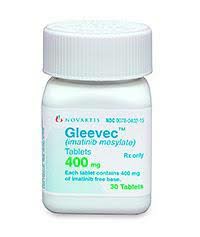
Most current guidelines believe that patients need to take medication continuously for at least three years and maintain stable deep molecular remission for more than two years before "therapeutic discontinuation" can be considered. Even if these conditions are met, molecular biological indicators, such as quantitative detection of BCR-ABL fusion genes, need to be closely monitored after drug withdrawal to prevent disease recurrence. Statistics show that approximately half of patients who attempt to discontinue treatment are able to maintain long-term treatment-free remission, while the other group of patients need to resume medication when molecular relapse occurs.
Imatinib is not suitable for all patients who attempt to discontinue the drug. For example, patients with high-risk CML, those who fail to meet molecular response criteria, or those with other underlying diseases are not suitable for TFR plans. Discontinuation of medication is not a simple interruption of medication, but a process that goes through risk assessment, individual judgment and long-term tracking. Doctors usually evaluate whether the patient is eligible for discontinuation based on the patient's response to treatment 3 to 5 years after the start of treatment. In addition, some patients may experience "withdrawal syndrome" after stopping the drug, such as bone pain, fatigue and other mild reactions, which are reversible reactions and usually do not require re-administration of the drug.
Reference materials:https://www.gleevec.com/
[ 免责声明 ] 本页面内容来自公开渠道(如FDA官网、Drugs官网、原研药厂官网等),仅供持有医疗专业资质的人员用于医学药学研究参考,不构成任何治疗建议或药品推荐。所涉药品可能未在中国大陆获批上市,不适用于中国境内销售和使用。如需治疗,请咨询正规医疗机构。本站不提供药品销售或代购服务。


