
.jpeg)
Has trametinib been reimbursed by medical insurance?
Since Trametinib was approved for marketing in China, it has gradually entered the standardized anti-tumor treatment system and has been successfully included in the national medical insurance catalog. However, its medical insurance reimbursement policy has clear indication restrictions. According to the latest drug catalog update from the National Medical Insurance Administration, trametinib, as an anti-cancer drug targeting MEK1/2, is currently mainly suitable for use in combination with dabrafenib to treat advanced, inoperable or metastatic melanoma and non-small cell lung cancer with BRAF V600 mutations within the scope of medical insurance. This means that only patients who are confirmed to be positive for BRAF mutations through genetic testing and meet relevant clinical use standards can enjoy medical insurance reimbursement.
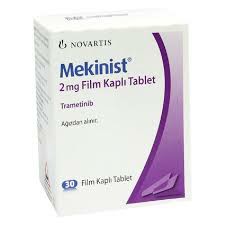
The original drug trametinib was developed by Novartis Pharmaceuticals. As a representative drug among MEK inhibitors, its overseas clinical data supports its application potential in a variety of malignant tumors. When the China Food and Drug Administration introduced the drug, based on domestic clinical practice and patient needs, it was given priority for the treatment of BRAF mutation-related melanoma and non-small cell lung cancer, and was approved in combination with dabrafenib. Subsequently, through negotiation and price reduction, it was qualified to enter the medical insurance directory, which greatly reduced the financial burden on patients.
It is worth noting that the prerequisite for medical insurance reimbursement is"clinical guideline recommendation + indication matching + medical insurance approval compliance". Trametinib cannot be used casually as a general drug for a wide range of tumor treatments. Currently, the scope of medical insurance has not been extended to other solid tumors such as thyroid cancer. Even if it shows potential efficacy in some studies, it still needs to wait for subsequent indications to be approved or the medical insurance catalog to be updated. In other words, medical insurance coverage is strictly limited to treatment scenarios under existing approved indications.
During the actual reimbursement process, patients need to provide validBRAF mutation test reports, hospital prescription records, and medical records from designated medical insurance hospitals to ensure that drug costs are included in the overall payment.
Reference materials:https://go.drugbank.com/drugs/DB08911
[ 免责声明 ] 本页面内容来自公开渠道(如FDA官网、Drugs官网、原研药厂官网等),仅供持有医疗专业资质的人员用于医学药学研究参考,不构成任何治疗建议或药品推荐。所涉药品可能未在中国大陆获批上市,不适用于中国境内销售和使用。如需治疗,请咨询正规医疗机构。本站不提供药品销售或代购服务。


