
.jpeg)
Results of a global phase 3 trial of ropagrastim/romigrastim for the treatment of chemotherapy-induced thrombocytopenia in gastrointestinal cancer
This is a globalPhase 3 randomized placebo-controlled trial (RCT) to evaluateromiplostim/romiplostim in patients receiving oxaliplatin-based polypharmacy Efficacy and safety of the regimen to treat chemotherapy-induced thrombocytopenia (CIT) in patients with gastrointestinal (GI) cancers, specifically colorectal, gastroesophageal, and pancreatic cancers. This study aims to address the common clinical challenge of sustained CIT ≤85×10^9/L on day 1 of a planned chemotherapy cycle.
The primary endpoint of the trial is to determine whether ropruprimostat can prevent any myelosuppressive CIT-induced dose adjustment in the second or third chemotherapy cycle, as adjudicated by an independent committee. This endpoint directly reflects a key clinical goal: ensuring that patients can receive planned anticancer treatment without delays or dose reductions due to low platelet counts.
The translational purpose of this study is to demonstrate that, by stimulating platelet production, roplastin enables timely and full-dose chemotherapy, potentially improving treatment outcomes and patients' quality of life by mitigating common and serious complications of chemotherapy. The study aims to establish Roprostim as a standard treatment for CIT in this patient population and translate its known mechanism of action into tangible clinical benefits.
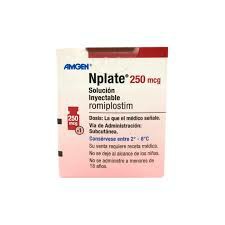
The trial enrolled 165 patients at 55 sites in14 countries, with 109 randomized to receive loproprimatin and 56 to receive placebo. The patient population was predominantly male (60%) and white (90%), with an average age of 61.4 years. Colorectal cancer is the most common cancer type (75%), followed by gastroesophageal cancer (13%) and pancreatic cancer (12%). At baseline, the median platelet count was 69×10^9/L. Patients received weekly subcutaneous injections of loplastin (starting at 2 μg/kg and adjusting to 10 μg/kg) or placebo for three cycles of chemotherapy, and chemotherapy was restarted once platelets reached ≥100 × 10^9/L. Most patients (75%) completed study medication.
Roplastin showed significant efficacy in preventingCIT-induced chemotherapy dose changes. Eighty-four percent (92/109) of patients treated with roplastin met the primary endpoint, compared with 36% (20/56) of patients treated with placebo (odds ratio 10.2; 95% confidence interval [CI] 4.6-22.5; P<0.001).
In addition, ropruprimostat resulted in a significant increase in platelet nadir, with the median nadir value being 87×109/L for ropruprimostat and 58×10^9/L for placebo (P=0.005). Time to first platelet response was also significantly faster with ropruprimostat, at a median of 1.1 weeks compared with 2.1 weeks with placebo (P<0.001), and a higher proportion of patients on ropruprimostat achieved a platelet response (97% vs. 77% on placebo). These strong efficacy results underscore the ability of loprostim to effectively manage and prevent CIT in this patient population.
Roplastin was generally well tolerated in studies. The incidence of treatment-related adverse events (TRAE) was low in both groups, 12% in the loploprimostat group and 7% in the placebo group. The most common adverse reactions were mild and included nausea (2% in both groups) and headache (2% with ropremilast and 0% with placebo). Importantly, no treatment-related serious adverse events or TRAEs leading to death or discontinuation of study drug or chemotherapy were observed in either treatment group.
These findings suggest that roplastin provides beneficial efficacy forCIT without introducing significant safety concerns in patients receiving chemotherapy for gastrointestinal cancers. Final long-term follow-up results are expected to provide further safety insights.
References:https://oncodaily.com/oncolibrary/romiplostim-for-chemotherapy-induced-thrombocytopenia
[ 免责声明 ] 本页面内容来自公开渠道(如FDA官网、Drugs官网、原研药厂官网等),仅供持有医疗专业资质的人员用于医学药学研究参考,不构成任何治疗建议或药品推荐。所涉药品可能未在中国大陆获批上市,不适用于中国境内销售和使用。如需治疗,请咨询正规医疗机构。本站不提供药品销售或代购服务。


